Buying Guide for the Best Dmx Controllers
Choosing the right DMX controller can be a daunting task, especially if you're new to lighting control systems. DMX controllers are essential for managing and programming lighting fixtures in various settings, from small events to large-scale productions. To make an informed decision, it's important to understand the key specifications and how they align with your specific needs. Here are the main factors to consider when selecting a DMX controller.Number of ChannelsThe number of channels on a DMX controller determines how many individual lights or groups of lights you can control. Each channel corresponds to a specific function, such as color, intensity, or movement. For small setups, a controller with 128 channels might be sufficient. Medium-sized events might require 256 channels, while large productions could need 512 channels or more. Assess the number of fixtures and the complexity of your lighting design to choose the right number of channels.
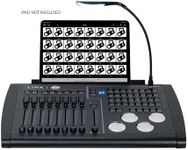
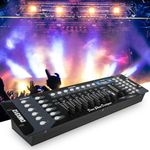
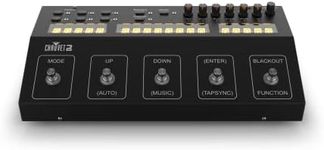
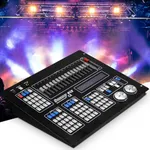
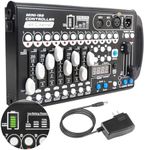
Control InterfaceThe control interface is how you interact with the DMX controller. It can be physical, with faders and buttons, or digital, using software on a computer or tablet. Physical interfaces are often preferred for live performances due to their tactile feedback, while digital interfaces offer more flexibility and advanced programming options. Consider whether you need the hands-on control of a physical interface or the versatility of a digital one based on your usage scenario.
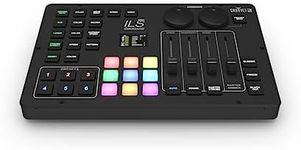
Programming CapabilitiesProgramming capabilities refer to the complexity and variety of lighting scenes and effects you can create with the controller. Basic controllers offer simple programming for static scenes and basic chases. More advanced controllers provide features like scene stacking, effect generators, and timeline-based programming. If your lighting design involves intricate sequences and dynamic changes, opt for a controller with robust programming capabilities.
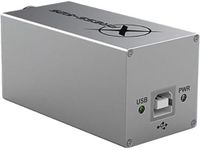
Connectivity OptionsConnectivity options determine how the DMX controller communicates with your lighting fixtures and other equipment. Common connections include XLR, USB, and Ethernet. XLR is standard for most DMX setups, while USB and Ethernet are used for connecting to computers and networks. Ensure the controller you choose has the necessary ports and compatibility with your existing equipment. If you plan to integrate with other systems or expand in the future, consider controllers with multiple connectivity options.
Build Quality and DurabilityBuild quality and durability are crucial, especially if you plan to transport the controller frequently or use it in demanding environments. Look for controllers with sturdy construction, high-quality materials, and reliable components. Controllers with metal housings and reinforced connectors tend to be more durable. Assess the conditions in which you'll use the controller and choose one that can withstand the wear and tear of your specific application.
User-FriendlinessUser-friendliness refers to how easy the DMX controller is to set up and operate. Some controllers come with intuitive interfaces, clear labeling, and comprehensive manuals, making them suitable for beginners. Others might have a steeper learning curve but offer more advanced features for experienced users. Consider your level of expertise and how quickly you need to get up and running when evaluating user-friendliness.