Buying Guide for the Best Djembe Drum
Choosing the right djembe drum can be a rewarding experience, as it allows you to find an instrument that resonates with your musical style and needs. Djembes come in various sizes, materials, and designs, each contributing to the drum's sound and playability. Understanding the key specifications will help you make an informed decision and ensure you select a djembe that suits your playing level and preferences.SizeThe size of a djembe drum affects both its sound and playability. Djembes typically range from 10 to 14 inches in diameter. Smaller djembes (10-12 inches) produce higher-pitched tones and are more portable, making them suitable for children or players with smaller hands. Larger djembes (13-14 inches) offer deeper bass tones and are ideal for adults or those seeking a fuller sound. Consider your hand size, strength, and the type of music you want to play when choosing the size.
MaterialDjembes are traditionally made from wood, but modern versions can also be found in synthetic materials. Wooden djembes, often crafted from hardwoods like mahogany or lenke, provide a rich, warm sound and are preferred by purists. Synthetic djembes, made from materials like fiberglass or PVC, are more durable, weather-resistant, and lighter, making them suitable for outdoor use and travel. Choose a material based on your preference for sound quality, durability, and where you plan to play.
DrumheadThe drumhead of a djembe can be made from animal skin or synthetic materials. Traditional animal skin heads, usually from goats, offer a natural, authentic sound with a wide range of tones. However, they are sensitive to humidity and temperature changes. Synthetic heads are more consistent in sound and less affected by environmental conditions, making them low-maintenance and reliable. Decide based on your preference for traditional sound versus convenience and durability.
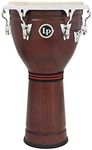
Tuning MechanismDjembes can be tuned using either rope or mechanical tuning systems. Rope-tuned djembes are traditional and allow for fine-tuning by adjusting the tension of the ropes. This method requires some skill and knowledge but offers a more authentic experience. Mechanically-tuned djembes use metal hardware to adjust the tension, making tuning easier and quicker, which is ideal for beginners or those who prefer convenience. Consider your comfort level with tuning and the authenticity you desire.
WeightThe weight of a djembe can impact its portability and ease of playing. Heavier djembes, often made from dense hardwoods, provide stability and a robust sound but can be challenging to carry around. Lighter djembes, typically made from synthetic materials, are easier to transport and handle, making them suitable for travel and younger players. Think about how often you will need to move the drum and your physical strength when considering the weight.