Buying Guide for the Best Diving Lights
Choosing the right diving light is crucial for ensuring a safe and enjoyable underwater experience. Diving lights are essential for illuminating your surroundings, signaling to your dive buddy, and enhancing the colors of the underwater world. When selecting a diving light, consider the type of diving you will be doing, the conditions you will encounter, and your personal preferences. Here are some key specifications to help you make an informed decision.Brightness (Lumens)Brightness, measured in lumens, indicates how much light the diving light emits. This is important because it determines how well you can see underwater. For recreational diving in clear waters, a light with 200-500 lumens is usually sufficient. For night diving or murky waters, you may need a light with 600-1000 lumens or more. Choose a brightness level based on the visibility conditions you expect to encounter.
Beam AngleThe beam angle of a diving light refers to the width of the light beam. A narrow beam (10-20 degrees) is ideal for focusing on specific objects or signaling, while a wide beam (60-120 degrees) is better for illuminating a larger area. If you plan to explore caves or wrecks, a narrow beam is more suitable. For general diving and photography, a wide beam is preferable.
Battery LifeBattery life indicates how long the diving light can operate before needing a recharge or battery replacement. This is crucial for ensuring you have enough light throughout your dive. Shorter dives in well-lit areas may only require a light with a few hours of battery life, while longer or multiple dives in darker conditions will need a light with extended battery life. Consider your typical dive duration and frequency when choosing a light with the appropriate battery life.
Depth RatingThe depth rating specifies the maximum depth at which the diving light can be used without failing. This is important for ensuring the light can withstand the pressure at the depths you plan to dive. For recreational diving, a depth rating of 100-150 feet is usually sufficient. Technical divers or those exploring deeper waters should look for lights with a depth rating of 200 feet or more. Choose a light with a depth rating that matches or exceeds your diving limits.
Size and WeightThe size and weight of a diving light affect its portability and ease of use. Smaller, lighter lights are easier to carry and handle, making them ideal for travel and recreational diving. Larger, heavier lights may offer more features and longer battery life but can be cumbersome. Consider how you will carry and use the light during your dives, and choose a size and weight that you find comfortable and convenient.
Durability and Build QualityDurability and build quality are important for ensuring the diving light can withstand the harsh underwater environment. Look for lights made from robust materials like aluminum or high-quality plastic, with features like impact resistance and waterproof seals. A durable light will last longer and perform better in challenging conditions. Choose a light that feels solid and well-constructed to ensure reliability during your dives.
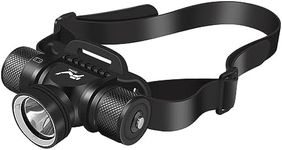
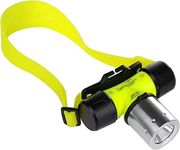
Mounting OptionsMounting options refer to how the diving light can be attached to your gear. Some lights come with hand straps, wrist mounts, or helmet mounts, while others can be attached to your BCD or camera rig. The right mounting option depends on your diving style and preferences. If you need your hands free, consider a light with a helmet or wrist mount. For more flexibility, a light with multiple mounting options may be ideal.