Buying Guide for the Best Delonghi Electric Heaters
When choosing an electric heater, it's important to consider your specific needs and the environment where the heater will be used. Electric heaters come in various types and sizes, each designed to provide different levels of warmth and efficiency. Understanding the key specifications will help you make an informed decision and ensure you select the best heater for your space and comfort requirements.Heating Power (Wattage)Heating power, measured in watts, indicates how much heat the heater can produce. This is important because it determines how quickly and effectively the heater can warm up a room. Generally, higher wattage means more heat output. For small rooms or personal use, a heater with 500-1000 watts may be sufficient. For medium-sized rooms, look for heaters with 1000-1500 watts. For larger spaces, you might need a heater with 1500-2000 watts or more. Consider the size of the room and how quickly you want it to heat up when choosing the wattage.
Thermostat ControlA thermostat control allows you to set and maintain a desired temperature. This is important for energy efficiency and comfort, as it prevents the room from becoming too hot or too cold. Some heaters have manual thermostats with dial controls, while others have digital thermostats with precise temperature settings. If you prefer more control over the room temperature, look for a heater with a digital thermostat. For basic use, a manual thermostat may be sufficient.
Safety FeaturesSafety features are crucial in electric heaters to prevent accidents and ensure safe operation. Common safety features include overheat protection, tip-over switch, and cool-touch exterior. Overheat protection automatically shuts off the heater if it gets too hot, while a tip-over switch turns off the heater if it is knocked over. A cool-touch exterior ensures the heater's surface remains safe to touch. If you have children or pets, or if the heater will be used in high-traffic areas, prioritize models with these safety features.
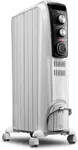
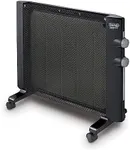
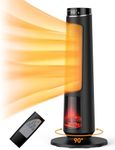
Heating MethodElectric heaters use different heating methods, such as convection, radiant, and fan-forced. Convection heaters warm the air and distribute it throughout the room, making them ideal for consistent, whole-room heating. Radiant heaters provide direct heat to objects and people in their path, offering quick, targeted warmth. Fan-forced heaters use a fan to blow heated air, providing fast and even heat distribution. Consider how you plan to use the heater: for whole-room heating, a convection heater is best; for quick, personal warmth, a radiant heater is ideal; and for fast, even heating, a fan-forced heater is a good choice.
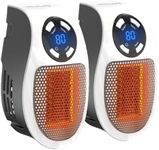
PortabilityPortability refers to how easy it is to move the heater from one place to another. This is important if you plan to use the heater in different rooms or need to store it when not in use. Look for features like lightweight design, built-in handles, and wheels. If you need a heater that can be easily moved around, prioritize models with these portability features. For stationary use, portability may be less of a concern.
Noise LevelNoise level is an important consideration, especially if you plan to use the heater in a bedroom, office, or other quiet space. Some heaters, particularly fan-forced models, can be noisy, while others, like oil-filled radiators, operate almost silently. If noise is a concern, look for heaters that are specifically designed to operate quietly. For use in noise-sensitive environments, choose a heater with a low noise level.
Energy EfficiencyEnergy efficiency indicates how effectively the heater converts electricity into heat. This is important for reducing energy consumption and lowering utility bills. Look for features like programmable timers, eco-modes, and energy-saving settings. These features help optimize energy use by allowing you to set heating schedules and adjust power consumption. If you are concerned about energy costs, prioritize heaters with high energy efficiency ratings and energy-saving features.