We Use CookiesWe use cookies to enhance the security, performance, functionality and for analytical and promotional activities. By continuing to browse this site you are agreeing to our privacy policy

Best Deer Food Plots

From leading brands and best sellers available on the web.
#1

Winner

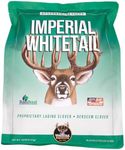
Whitetail Institute Imperial Clover

Whitetail Institute

11%OFF

Whitetail Institute Imperial Clover Deer Food Plot Seed for Spring or Fall Planting, Promotes Antler Growth and Attracts Deer, Heat, Cold and Drought Tolerant, 18 lbs (2.25 Acres)

View on Amazon
#2
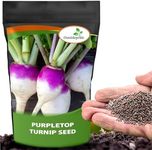
Outsidepride Purple Top Turnip Seed

Outsidepride

Outsidepride Purple Top Turnip Seeds - 50 Lbs High-Yield, High Protein Turnip Seed, Ideal Cover Crop, for Forage, Grazing Livestock, High Energy Deer Food Plot & Soil Improvement

View on Amazon
#3
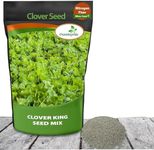
Outsidepride Perennial Clover King

Outsidepride

Outsidepride Perennial Clover King Seed Mix - 20 lbs Nitrocoated, Inoculated, Heat & Cold Tolerant, Alfalfa-Enhanced Food Plot Seeds for Deer & Wildlife, Ideal for Spring, Summer, & Winter Plots

View on Amazon
#4
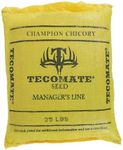
Tecomate Champion Chicory - Food Pl

Tecomate

Tecomate Champion Chicory - Food Plot Seed (25 LBS)

View on Amazon
#5
Whitetail Institute No-Plow Deer Fo

Whitetail Institute

14%OFF

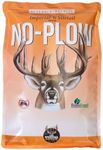
Whitetail Institute No-Plow Deer Food Plot Seed, Fast-Growing Blend of Annuals for Areas Difficult to Access with Farming Equipment, Highly Nutritious and Attractive to Deer, 25 lbs (1.5 Acres)

View on Amazon
#6
Domain Outdoor Hot Chic Food Plot S

DOMAIN THIS IS YOUR LAND.

Domain Outdoor Hot Chic Food Plot Seeds for Deer, Chicory - 2 Varieties of Clover, Great to Plant in Spring or Fall, Hardy Mixture of PH Tolerant Perennials, Can Last Several Years, 1/2 Acre

View on Amazon
#7
Whitetail Institute FUSION Deer Foo

Whitetail Institute

15%OFF

Whitetail Institute FUSION Deer Food Plot Seed for Spring or Fall Planting, Blend of Clover and Chicory for Maximum Deer Attraction, Heat, Cold and Drought Tolerant, 9.25 lbs (1.5 acres)
View on Amazon
#8
Tecomate Horn-Maker Xtreme (25 Poun

Tecomate

Tecomate Horn-Maker Xtreme (25 Pound) - Deer Food Plot Seed Designed to Grow Big Antlers and Help Provide A Plot Screen to Keep Your Deer Big and Hidden in Your Area

View on Amazon
#9
Antler King Great 8 Annual Food Plo

Antler King

15%OFF

Antler King Great 8 Annual Food Plot | Eight Great Deer Favorites in One Food Plot High Protein & Palatable Energy | Plants 1/4 Acre

View on Amazon
#10
Tecomate Turbo Turnip Annual Food P

Tecomate

Tecomate Turbo Turnip Annual Food Plot Seed (25 LB)

View on Amazon
How do we rank products for you?

Our technology thoroughly searches through the online shopping world, reviewing hundreds of sites. We then process and analyze this information, updating in real-time to bring you the latest top-rated products. This way, you always get the best and most current options available.

headphones-stars

Most Popular Categories Right Now

Buying Guide for the Best Deer Food Plots

When it comes to creating deer food plots, the goal is to provide a reliable and nutritious food source that will attract and sustain deer populations. The right food plot can improve deer health, increase their visibility for hunting, and support the local ecosystem. To choose the best food plot for your needs, consider the following key specifications and how they align with your goals and local conditions.
Soil TypeSoil type refers to the composition and texture of the soil in your plot area. It is important because different plants thrive in different soil conditions. Common soil types include sandy, loamy, and clay. Sandy soil drains quickly but may lack nutrients, loamy soil is well-balanced and fertile, and clay soil retains water but can be dense. To pick the right one, test your soil and choose plants that are well-suited to your soil type. For example, clover and chicory do well in loamy soil, while brassicas can tolerate heavier clay soils.
Sunlight ExposureSunlight exposure refers to the amount of direct sunlight your plot receives each day. This is crucial because plants need sunlight for photosynthesis, which affects their growth and nutritional value. Full sun means more than 6 hours of direct sunlight, partial sun is 3-6 hours, and shade is less than 3 hours. Choose plants that match your plot's sunlight conditions. For instance, alfalfa and corn require full sun, while some clovers and brassicas can tolerate partial sun.
Plant SpeciesPlant species are the types of plants you choose to grow in your food plot. This is important because different plants offer varying levels of nutrition and attract different types of wildlife. Common choices include clover, alfalfa, chicory, brassicas, and grains like oats and wheat. To pick the right species, consider the nutritional needs of the deer in your area and the growing conditions of your plot. For example, clover is a high-protein option that grows well in many conditions, while brassicas are great for late-season nutrition.
Planting SeasonPlanting season refers to the time of year when you plant your food plot. This is important because planting at the right time ensures optimal growth and availability of food when deer need it most. There are generally two planting seasons: spring and fall. Spring planting provides food throughout the summer and early fall, while fall planting ensures food availability during the winter. Choose your planting season based on when you want to attract deer and the specific growth cycles of your chosen plants.
Plot SizePlot size refers to the area of land you dedicate to your food plot. This is important because larger plots can support more deer and provide a more consistent food source. However, smaller plots can be easier to manage and may still be effective if strategically placed. To determine the right size, consider the deer population in your area and the amount of land you have available. A small plot (less than 1 acre) can be sufficient for attracting deer in low-pressure areas, while larger plots (1-5 acres or more) are better for supporting larger populations.
Maintenance RequirementsMaintenance requirements refer to the level of care and upkeep needed to keep your food plot healthy and productive. This includes tasks like fertilizing, watering, weeding, and replanting. Some plants, like clover, are relatively low-maintenance, while others, like corn, require more attention. Choose plants that match your willingness and ability to perform maintenance. If you have limited time, opt for low-maintenance species and consider using perennial plants that come back year after year.