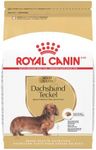
Buying Guide for the Best Dachshund Food
Choosing the right food for your dachshund is crucial for their health and well-being. Dachshunds have specific dietary needs due to their unique body structure and potential health issues. When selecting food, it's important to consider various factors such as nutritional content, ingredients, and the dog's age, weight, and activity level. Here are some key specifications to help you make an informed decision.Protein ContentProtein is essential for your dachshund's muscle development and overall health. High-quality protein sources like chicken, beef, or fish should be the main ingredient in their food. For puppies, a higher protein content (around 22-32%) is necessary for growth, while adult dachshunds need around 18-25%. Senior dachshunds may require slightly less protein but still need a good quality source to maintain muscle mass. Choose a protein level that matches your dog's life stage and activity level.
Fat ContentFat provides energy and supports skin and coat health. Dachshunds are prone to obesity, so it's important to monitor fat intake. Puppies need higher fat content (around 8-20%) for energy and growth, while adults should have moderate fat levels (around 5-15%). Senior dachshunds may need lower fat content to prevent weight gain. Select a food with appropriate fat levels based on your dachshund's age and activity level.
Fiber ContentFiber aids in digestion and helps maintain a healthy weight. Foods with moderate fiber content (around 3-5%) are ideal for dachshunds. Too much fiber can lead to digestive issues, while too little can cause constipation. Look for food with balanced fiber levels to support your dachshund's digestive health.
Calcium and PhosphorusCalcium and phosphorus are vital for bone health, especially for dachshunds who are prone to back issues. Puppies need higher levels of these minerals for bone development, while adults and seniors need balanced levels to maintain bone strength. Ensure the food has appropriate calcium (around 1-1.5%) and phosphorus (around 0.8-1%) levels for your dachshund's age.
Omega Fatty AcidsOmega-3 and Omega-6 fatty acids support skin, coat, and joint health. These are particularly important for dachshunds, who can suffer from dry skin and joint problems. Look for food with added omega fatty acids from sources like fish oil or flaxseed. This will help keep your dachshund's coat shiny and joints healthy.
Glucosamine and ChondroitinThese supplements are important for joint health, especially for dachshunds who are prone to back and joint issues. Foods that include glucosamine and chondroitin can help prevent and manage arthritis and other joint problems. Consider these ingredients particularly for adult and senior dachshunds.
Grain-Free vs. Grain-InclusiveSome dachshunds may have sensitivities or allergies to grains. Grain-free diets can be beneficial for dogs with these issues, using alternative carbohydrate sources like sweet potatoes or peas. However, grain-inclusive diets can also be healthy if your dachshund does not have grain sensitivities. Choose based on your dog's specific dietary needs and any known allergies.
Life Stage Specific FormulasDachshunds have different nutritional needs at various life stages—puppy, adult, and senior. Puppy formulas are rich in nutrients for growth, adult formulas maintain health and energy, and senior formulas support aging joints and overall health. Select a formula that matches your dachshund's current life stage to ensure they receive the appropriate nutrients.