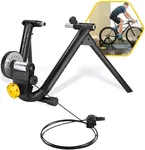
Buying Guide for the Best Cycling Turbo Trainer
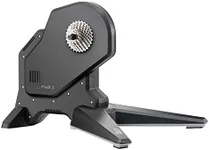
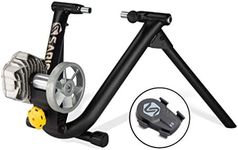
Choosing the right cycling turbo trainer can significantly enhance your indoor training experience. Turbo trainers allow you to convert your regular bike into a stationary one, providing a convenient way to train regardless of the weather. When selecting a turbo trainer, it's important to consider various specifications to ensure it meets your training needs and preferences. Here are the key specs to look out for and how to choose the best fit for you.Resistance TypeThe resistance type determines how the trainer simulates different levels of difficulty. There are three main types: magnetic, fluid, and direct drive. Magnetic trainers use a magnetic field to create resistance and are generally quieter and more affordable. Fluid trainers use a hydraulic fluid to provide a more realistic road feel and progressive resistance, meaning the harder you pedal, the more resistance you get. Direct drive trainers replace your rear wheel and provide the most accurate power measurement and road feel, but they are usually more expensive. Choose magnetic if you are looking for a budget-friendly option, fluid if you want a realistic ride feel, and direct drive if you need precise power data and the best performance.
ConnectivityConnectivity refers to the trainer's ability to connect with apps and devices. Smart trainers can connect to training apps like Zwift, TrainerRoad, and others via Bluetooth or ANT+. This allows you to follow structured workouts, join virtual group rides, and track your performance data. If you enjoy interactive training and want to keep track of your progress, look for a trainer with good connectivity options. If you prefer a simpler setup and don't need the extra features, a basic trainer without connectivity might be sufficient.
Noise LevelNoise level is an important consideration, especially if you live in an apartment or train early in the morning or late at night. Magnetic trainers tend to be quieter than fluid trainers, while direct drive trainers are usually the quietest. If noise is a concern, look for trainers that are specifically designed to operate quietly. Reading user reviews can also give you a good idea of how loud a trainer is in real-world use.
Stability and Build QualityStability and build quality are crucial for a safe and comfortable training experience. A stable trainer will prevent your bike from wobbling during intense workouts. Look for trainers with a wide base and solid construction. Higher-end models often offer better stability and durability. If you plan to do a lot of high-intensity training or sprints, investing in a well-built trainer will be worth it. For casual use, a mid-range model with decent stability should suffice.
Portability and StoragePortability and storage are important if you have limited space or plan to travel with your trainer. Some trainers are foldable and lightweight, making them easy to store and transport. If you need to move your trainer frequently or have a small living space, look for a model that is easy to fold and carry. If you have a dedicated training area, portability might be less of a concern.
CompatibilityCompatibility refers to whether the trainer can accommodate your bike's specifications, such as wheel size and axle type. Most trainers are compatible with a range of wheel sizes and axle standards, but it's important to check the specifications to ensure a proper fit. If you have a bike with non-standard components, make sure the trainer you choose can accommodate it. This will save you from any compatibility issues and ensure a smooth setup.