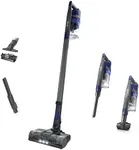
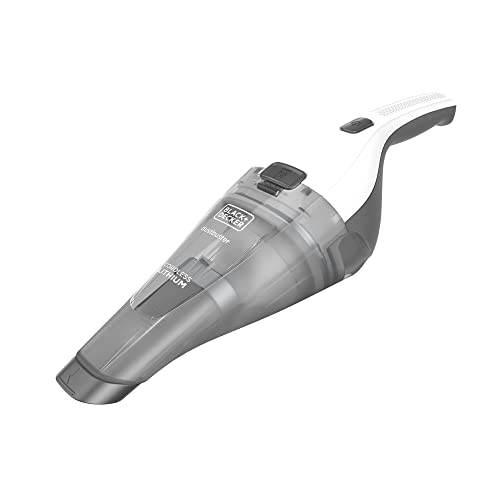
Buying Guide for the Best Cordless Vacuums
Choosing the right cordless vacuum can make cleaning much more convenient and efficient. Cordless vacuums vary widely in terms of features like battery life, suction power, weight, and versatility. Understanding your cleaning needs—whether you have pets, lots of carpets, or mainly hard floors—will help you pick the model that will save you time and effort. It's worth taking a closer look at the main specifications to make sure you get a vacuum that fits your lifestyle and living space.Battery LifeBattery life refers to how long the vacuum can run before it needs to be recharged. This is important because it affects how much you can clean in one go. Shorter battery life (around 15-20 minutes) might be fine for quick clean-ups or small apartments, while longer battery life (30-60+ minutes) is better for larger homes or lengthy cleaning sessions. Evaluate how much space you plan to clean at once; if you have a bigger home or like to vacuum multiple rooms at once, prioritize models with longer battery life.
Suction PowerSuction power determines how effectively the vacuum can pick up dirt, dust, and debris from various surfaces. It's usually measured in air watts or similar units, but sometimes just described as strong, medium, or light. Lower suction might be enough for hard floors, while medium to high suction is better for carpets or picking up pet hair. If you have deep carpets, pets, or kids that make a mess, look for higher suction ratings to ensure a thorough clean.
Weight and ErgonomicsThe weight of a cordless vacuum affects how easy it is to carry around, especially when cleaning stairs, ceilings, or moving between rooms. Lighter models (under 5 pounds) are easier to maneuver and lift, making them ideal for people who want quick, effortless cleaning or have mobility concerns. Heavier models may offer more battery life or suction but can be tiring to use in large spaces or overhead. Consider your physical comfort and typical usage to decide what's manageable for you.
Dustbin CapacityDustbin capacity is the size of the container that collects debris and dust. Smaller capacities (under 0.5 liters) require more frequent emptying, which can be inconvenient for larger homes or if you vacuum often. Larger capacities (0.5 liters and above) allow you to clean more before emptying. Choose a size that matches how often you want to interact with the vacuum; for frequent deep cleaning, a bigger bin is helpful, but for light daily cleaning in small spaces, a small one is fine.
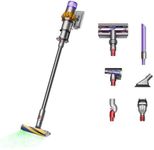
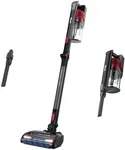
Attachments and VersatilityCordless vacuums often come with various attachments like crevice tools, brushes for upholstery, or even motorized heads for pet hair. These increase the types of surfaces and messes you can handle. If you want to clean cars, stairs, upholstery, or tight corners, look for vacuums with the relevant attachments. Think about where you plan to use the vacuum and what types of messes you face the most to ensure your choice can tackle all your cleaning needs.
Charging TimeCharging time is how long it takes to fully recharge the battery. Shorter charging times (under 3 hours) mean your vacuum is ready to use sooner; long charging times (over 4-5 hours) might be inconvenient if you need to use it multiple times a day. Consider your routine: if you clean in short, frequent bursts, a shorter charging time is more important, whereas if you only vacuum once a week, charging time might matter less.
Noise LevelNoise level describes how loud the vacuum is while running. Quieter models are usually more comfortable to use, especially in homes with children, pets, or shift workers. Noise is sometimes measured in decibels (dB): lower numbers mean quieter operation. If you prefer less disruption or want to clean without disturbing others, look for models advertised as quiet or with a lower dB rating.