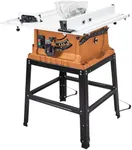
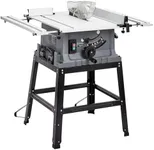
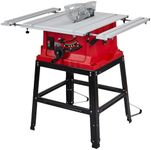
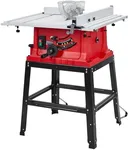
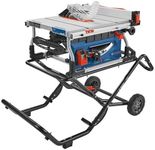
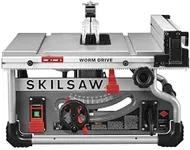
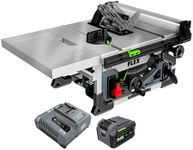
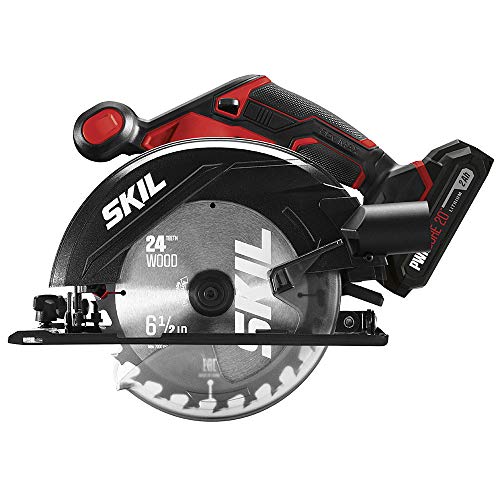
Buying Guide for the Best Cordless Table Saw
Choosing the right cordless table saw can make a significant difference in your woodworking projects. A cordless table saw offers the convenience of portability and ease of use without being tethered to a power outlet. When selecting a cordless table saw, it's important to consider several key specifications to ensure you get the best fit for your needs. Understanding these specs will help you make an informed decision and find a saw that meets your specific requirements.Battery VoltageBattery voltage determines the power output of the cordless table saw. Higher voltage batteries provide more power, which is essential for cutting through thicker or harder materials. Common voltage ratings include 18V, 20V, and 36V. If you plan to work on heavy-duty projects, a higher voltage battery is recommended. For lighter, occasional use, a lower voltage battery may suffice.
Battery Capacity (Ah)Battery capacity, measured in ampere-hours (Ah), indicates how long the battery will last on a single charge. A higher Ah rating means longer runtime. For extended use or larger projects, look for batteries with higher Ah ratings, such as 5Ah or more. For smaller, quick tasks, a lower Ah rating may be adequate.
Blade SizeThe blade size of a cordless table saw affects the depth and capacity of cuts. Common blade sizes are 8-1/4 inches and 10 inches. Larger blades can cut through thicker materials and provide greater cutting capacity. If you frequently work with large or thick materials, opt for a larger blade. For general-purpose use, a smaller blade may be sufficient.
Cutting CapacityCutting capacity refers to the maximum width and depth the saw can cut. This includes rip capacity (width) and depth of cut at 90 and 45 degrees. Higher cutting capacity allows for more versatility in the types of cuts you can make. Consider the size of the materials you typically work with and choose a saw with adequate cutting capacity to handle those dimensions.
RPM (Revolutions Per Minute)RPM measures how fast the saw blade spins. Higher RPMs result in smoother and faster cuts. Typical RPM ranges for cordless table saws are between 3,000 and 5,000 RPM. For fine, precise cuts, a higher RPM is beneficial. For general cutting tasks, a lower RPM may be sufficient.
Weight and PortabilityThe weight of the cordless table saw affects its portability. Lighter saws are easier to transport and move around the job site. If you need to frequently move the saw, look for a lighter model. However, ensure that the saw is still sturdy and stable enough for safe operation.
Safety FeaturesSafety features are crucial for preventing accidents and injuries. Look for features such as blade guards, anti-kickback pawls, and riving knives. These features help protect you from the blade and reduce the risk of kickback. Prioritize saws with comprehensive safety features to ensure a safer working environment.
Dust CollectionDust collection systems help keep your workspace clean and reduce airborne dust particles. Some cordless table saws come with built-in dust ports that can be connected to a vacuum. Effective dust collection is important for maintaining a clean work area and protecting your respiratory health. If you work in enclosed spaces or have dust sensitivity, prioritize saws with efficient dust collection systems.