Buying Guide for the Best Corded Jigsaw
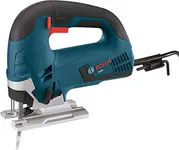
Choosing the right corded jigsaw can make a significant difference in your woodworking or DIY projects. A jigsaw is a versatile tool that allows you to make straight cuts, curved cuts, and intricate patterns in various materials like wood, metal, and plastic. When selecting a corded jigsaw, it's essential to consider several key specifications to ensure you get the best fit for your needs. Understanding these specs will help you make an informed decision and choose a jigsaw that will serve you well in your projects.Power (Amps)Power in a corded jigsaw is measured in amps, and it determines how much cutting force the tool can deliver. Higher amp ratings generally mean more power and the ability to cut through tougher materials. For light-duty tasks like cutting thin wood or plastic, a jigsaw with 3-5 amps may suffice. For more demanding projects involving thicker wood or metal, look for a jigsaw with 6-7 amps or more. Consider the types of materials you'll be working with and choose a power rating that matches your needs.
Stroke LengthStroke length refers to the distance the blade travels up and down during each cutting cycle. A longer stroke length can result in faster cutting and smoother edges, especially in thicker materials. Stroke lengths typically range from 0.5 inches to 1 inch. If you plan to work on heavy-duty projects or need to cut through thick materials, opt for a jigsaw with a longer stroke length. For more precise and detailed work, a shorter stroke length may be more suitable.
Variable Speed ControlVariable speed control allows you to adjust the speed of the jigsaw blade to match the material and type of cut you're making. This feature is important because different materials require different cutting speeds for optimal results. For example, slower speeds are better for cutting metal, while faster speeds work well for wood. Look for a jigsaw with a wide range of speed settings to give you flexibility in your projects. If you frequently work with various materials, this feature will be particularly useful.
Orbital ActionOrbital action refers to the elliptical motion of the jigsaw blade, which can improve cutting efficiency and speed. Jigsaws with orbital action settings allow you to adjust the aggressiveness of the cut. Higher orbital settings are ideal for fast, rough cuts in wood, while lower settings or no orbital action are better for precise cuts in metal or delicate materials. Consider whether you'll need to make quick, rough cuts or more detailed, precise cuts and choose a jigsaw with appropriate orbital action options.
Blade Change SystemThe blade change system determines how easy it is to replace the jigsaw blade. Some jigsaws require tools for blade changes, while others have tool-free systems that make the process quicker and more convenient. If you anticipate changing blades frequently or want to save time, look for a jigsaw with a tool-free blade change system. This feature can be particularly helpful if you work on projects that require different types of blades for various materials.
Bevel CapacityBevel capacity refers to the jigsaw's ability to tilt the base plate to make angled cuts. This feature is useful for creating beveled edges or making cuts at specific angles. Most jigsaws offer bevel capacities ranging from 0 to 45 degrees. If your projects involve angled cuts or require precise bevels, choose a jigsaw with a higher bevel capacity and easy-to-adjust settings. This will give you more versatility in your cutting tasks.
Dust ManagementDust management features help keep your work area clean by collecting or directing dust away from the cutting line. Some jigsaws come with built-in dust blowers or vacuum attachments. Effective dust management can improve visibility and accuracy while cutting, as well as reduce cleanup time. If you work in a confined space or want to maintain a clean work environment, consider a jigsaw with good dust management features.