Buying Guide for the Best Construction Work Boots
Choosing the right construction work boots is crucial for ensuring safety, comfort, and durability on the job. The right pair of boots can protect your feet from various hazards, provide support during long hours of standing or walking, and withstand the tough conditions of a construction site. Here are some key specifications to consider when selecting construction work boots and how to navigate them to find the best fit for your needs.Safety ToeSafety toe boots are designed to protect your toes from falling objects or compression. They come in different materials such as steel, composite, and aluminum. Steel toes are the most common and offer the highest level of protection, but they can be heavy. Composite toes are lighter and do not conduct electricity, making them ideal for electricians. Aluminum toes are also lightweight but provide less protection than steel. Choose based on the level of protection you need and the type of work you do.
MaterialThe material of the boots affects their durability, comfort, and suitability for different environments. Leather is a popular choice for its durability and comfort, but it can be heavy and less breathable. Synthetic materials are lighter and more breathable but may not be as durable. Waterproof materials are essential if you work in wet conditions. Consider the environment you work in and choose a material that offers the right balance of durability, comfort, and protection.
SoleThe sole of the boot provides traction and support. Rubber soles are common for their slip-resistant properties and durability. Some soles are designed with specific tread patterns to provide better grip on different surfaces. If you work on slippery or uneven surfaces, look for boots with high-traction soles. The sole should also provide good shock absorption to reduce fatigue during long hours of standing or walking.
Fit and ComfortA good fit is essential for comfort and preventing injuries. Boots that are too tight can cause blisters and discomfort, while loose boots can lead to instability and accidents. Look for boots with a snug fit around the heel and enough room in the toe box to wiggle your toes. Consider features like padded collars, cushioned insoles, and breathable linings for added comfort. Try on boots with the socks you plan to wear on the job to ensure the best fit.
InsulationInsulated boots are important if you work in cold environments. They help keep your feet warm and comfortable. Insulation is measured in grams, with higher numbers indicating more insulation. For mild cold, 200-400 grams may be sufficient, while extreme cold may require 600 grams or more. Choose the level of insulation based on the temperatures you will be working in.
Electrical Hazard ProtectionIf you work around live wires or electrical equipment, boots with electrical hazard protection are essential. These boots are designed to provide a secondary source of protection against electrical shock. They are usually made with non-conductive materials and are tested to meet specific safety standards. Check for boots that are labeled as EH-rated if electrical hazards are a concern in your work environment.
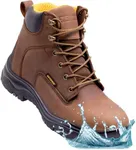
WaterproofingWaterproof boots are crucial if you work in wet or muddy conditions. They keep your feet dry and comfortable, preventing issues like trench foot. Look for boots with waterproof membranes or treatments that repel water. Some boots also have moisture-wicking linings to keep your feet dry from the inside. Consider the level of waterproofing you need based on the conditions you work in.