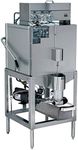
Buying Guide for the Best Commercial Dishwashers
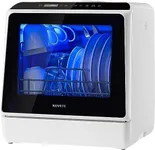
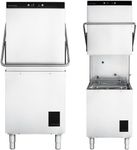
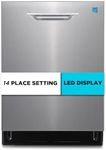
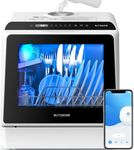
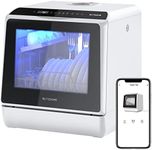
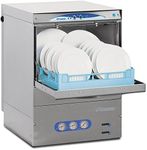
Choosing the right commercial dishwasher is crucial for any business that deals with food service. The right dishwasher can save time, ensure hygiene, and improve efficiency in your kitchen. When selecting a commercial dishwasher, it's important to consider several key specifications to ensure you get the best fit for your needs. Here are the main factors to consider and how to navigate them.Type of DishwasherCommercial dishwashers come in various types, including undercounter, door-type, conveyor, and flight-type. The type of dishwasher you need depends on the volume of dishes you need to clean and the space available in your kitchen. Undercounter dishwashers are compact and suitable for smaller establishments, while door-type dishwashers are ideal for medium-sized operations. Conveyor and flight-type dishwashers are designed for high-volume operations and can handle a large number of dishes quickly. Assess your kitchen's space and dishwashing needs to determine the best type for you.
CapacityCapacity refers to the number of dishes a dishwasher can handle in a given time. This is usually measured in racks per hour. A higher capacity dishwasher can clean more dishes in less time, which is essential for busy kitchens. For small to medium-sized restaurants, a dishwasher with a capacity of 20-30 racks per hour may be sufficient. Larger establishments may require machines that can handle 50-100 racks per hour or more. Consider your peak hours and the volume of dishes you need to clean to choose the right capacity.
Cycle TimeCycle time is the duration it takes for the dishwasher to complete one wash cycle. Shorter cycle times mean dishes are cleaned faster, which is beneficial during busy periods. However, shorter cycles may not always provide the same level of cleaning as longer cycles. Typical cycle times range from 1 to 10 minutes. If your kitchen experiences high turnover, a dishwasher with a shorter cycle time (1-3 minutes) may be ideal. For thorough cleaning, especially for heavily soiled dishes, a longer cycle time may be necessary.
Energy EfficiencyEnergy efficiency is important for reducing operational costs and environmental impact. Energy-efficient dishwashers use less water and electricity, which can lead to significant savings over time. Look for dishwashers with energy-efficient ratings or certifications. These machines often have features like heat recovery systems and low-water usage. If sustainability and cost savings are priorities for your business, choose a dishwasher with high energy efficiency.
Water UsageWater usage refers to the amount of water a dishwasher uses per cycle. Lower water usage can reduce utility bills and is better for the environment. Commercial dishwashers typically use between 1 to 3 gallons of water per rack. Machines with lower water usage are more efficient and cost-effective. If water conservation is important to your business, opt for a dishwasher with lower water usage.
Ease of UseEase of use includes factors like the simplicity of controls, ease of loading and unloading, and maintenance requirements. A user-friendly dishwasher can save time and reduce the likelihood of errors. Look for machines with intuitive controls, clear instructions, and easy access for cleaning and maintenance. If your staff turnover is high or you want to minimize training time, choose a dishwasher that is straightforward to operate.
Durability and Build QualityDurability and build quality are crucial for ensuring the longevity of your dishwasher. Commercial dishwashers are a significant investment, so you want a machine that can withstand heavy use. Look for dishwashers made from high-quality materials like stainless steel, which is resistant to rust and corrosion. Check for warranties and customer reviews to gauge the reliability of the machine. If your kitchen operates for long hours and handles a high volume of dishes, prioritize durability and build quality.
Sanitization FeaturesSanitization features ensure that dishes are not only clean but also free from harmful bacteria. Many commercial dishwashers have high-temperature wash cycles or chemical sanitizing options. High-temperature machines use hot water to kill germs, while chemical sanitizers use specific cleaning agents. Depending on your local health regulations and the type of dishes you clean, you may need a dishwasher with specific sanitization features. Ensure the machine meets all necessary health and safety standards for your business.