Buying Guide for the Best Commercial Backpack Sprayer
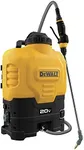
Choosing the right commercial backpack sprayer is essential for efficient and effective application of liquids such as pesticides, herbicides, and fertilizers. The right sprayer can save you time, reduce physical strain, and ensure even coverage. When selecting a backpack sprayer, consider the type of tasks you will be performing, the size of the area you need to cover, and your comfort and ease of use. Here are some key specifications to consider when making your choice.Tank CapacityTank capacity refers to the amount of liquid the sprayer can hold. This is important because it determines how often you will need to refill the tank. Smaller tanks (up to 2 gallons) are lighter and easier to carry but require more frequent refills, making them suitable for smaller areas or lighter tasks. Medium tanks (2-4 gallons) offer a balance between weight and capacity, ideal for medium-sized areas. Larger tanks (over 4 gallons) are best for extensive areas but can be heavy and cumbersome. Choose a tank capacity based on the size of the area you need to cover and your physical ability to carry the weight.
Pump TypeThe pump type determines how the liquid is pressurized and sprayed. There are two main types: manual and battery-powered. Manual pumps require physical effort to build pressure, which can be tiring but are generally more affordable and reliable. They are suitable for smaller tasks or areas. Battery-powered pumps are easier to use as they require less physical effort and provide consistent pressure, making them ideal for larger areas or frequent use. However, they are typically more expensive and require battery maintenance. Choose a pump type based on the size of your tasks and your preference for manual effort versus convenience.
Spray Wand and NozzleThe spray wand and nozzle determine the reach and pattern of the spray. A longer wand allows you to reach further and cover more area without moving, which is useful for tall plants or hard-to-reach areas. Nozzles come in various types, such as adjustable, fan, and cone, each providing different spray patterns and droplet sizes. Adjustable nozzles offer versatility for different tasks, while specialized nozzles can provide more precise application. Consider the types of plants or areas you will be spraying and choose a wand and nozzle that offer the reach and spray pattern you need.
Comfort and ErgonomicsComfort and ergonomics are crucial for reducing strain and fatigue during use. Look for features such as padded shoulder straps, lumbar support, and adjustable harnesses that distribute weight evenly and reduce pressure on your back and shoulders. A well-designed sprayer should also have easy-to-reach controls and a comfortable grip on the wand. If you plan to use the sprayer for extended periods, prioritize comfort and ergonomic features to ensure you can work efficiently without discomfort.
Durability and MaterialsDurability and materials affect the longevity and reliability of the sprayer. High-quality materials such as stainless steel, heavy-duty plastic, and corrosion-resistant components ensure the sprayer can withstand frequent use and exposure to chemicals. Check for reinforced hoses, sturdy tanks, and robust pump mechanisms. A durable sprayer will save you money in the long run by reducing the need for repairs or replacements. Choose a sprayer made from materials that can handle the type of chemicals you will be using and the conditions in which you will be working.
Ease of MaintenanceEase of maintenance is important for keeping your sprayer in good working condition. Look for features such as easy-to-clean tanks, accessible filters, and replaceable parts. Regular maintenance, such as cleaning the tank and nozzles, checking for leaks, and replacing worn parts, will ensure the sprayer operates efficiently and lasts longer. Choose a sprayer with straightforward maintenance requirements to minimize downtime and keep it functioning properly.