We Use CookiesWe use cookies to enhance the security, performance, functionality and for analytical and promotional activities. By continuing to browse this site you are agreeing to our privacy policy

Best Cleaver Knives

From leading brands and best sellers available on the web.
#1

Winner

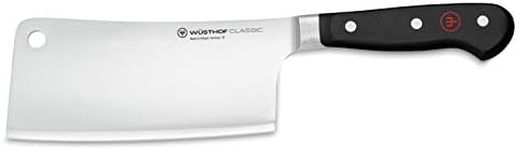
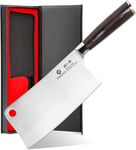
Wüsthof Classic Cleaver, 6-Inch, Bl

Wüsthof

Wüsthof Classic Cleaver, 6-Inch, Black

View on Amazon
#2
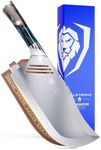
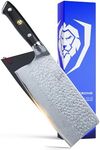
Dalstrong Massive Cleaver Knife - 9

Dalstrong

editor-choice-ribbon

Dalstrong Massive Cleaver Knife - 9 inch - 'The Ravager' - Valhalla Series - 7CR17MOV HC Steel Kitchen Knife - Celestial Resin & Wood Handle - Razor Sharp Meat Cutting Knife - w/Leather Sheath
View on Amazon
#3
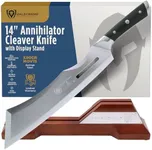
Dalstrong Annihilator Meat Cleaver

Dalstrong

editor-choice-ribbon

Dalstrong Annihilator Meat Cleaver Knife 14 inch - Wood Stand & Sheath - Thick Butcher Knife - 7CR17MOV Carbon Steel - Gladiator Series R - Heavy Duty Chopping Knife - G10 Handle Chef's Knife
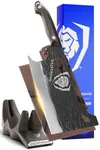
View on Amazon
#4
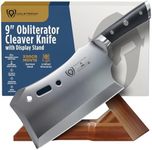
Dalstrong Obliterator Meat Cleaver

Dalstrong

Dalstrong Obliterator Meat Cleaver Knife - 9 inch - Barbarian Series - Premium 7CR17MOV High Carbon Steel - Black Brown Stabilized Wood Handle - Massive Heavy Duty Knife with Sheath
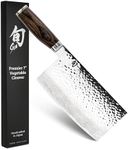
View on Amazon
#5
Shun Premier 7" Cleaver, Handcrafte

Shun

Shun Premier 7" Cleaver, Handcrafted Japanese Vegetable Knife, VG-MAX Core with Damascus Stainless Steel Cladding, Pakkawood Handle, Chinese Cleaver for Processing Large Vegetables

View on Amazon
#6
Dalstrong Meat Cleaver Knife - 7" -

Dalstrong

25%OFF

editor-choice-ribbon

Dalstrong Meat Cleaver Knife - 7" - Shogun Series ELITE - Razor Sharp - Japanese Super Steel - Damascus Knife - Hammered Finish - Heavy Duty Gift Cooking Knife - w/Sheath
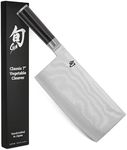
View on Amazon
#7
Shun Classic 7" Vegetable Cleaver

Shun

20%OFF

Shun Classic 7" Vegetable Cleaver
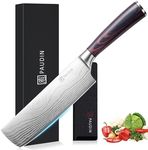
View on Amazon
#8
PAUDIN Nakiri Knife - 7" Razor Shar

PAUDIN

48%OFF

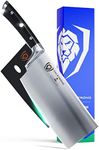
PAUDIN Nakiri Knife - 7" Razor Sharp Meat Cleaver and Vegetable Kitchen Knife, High Carbon Stainless Steel, Multipurpose Asian Chef Knife for Home and Kitchen with Ergonomic Handle
View on Amazon
#9
Dalstrong 7" Butcher Meat Cleaver K

Dalstrong

editor-choice-ribbon

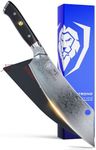
Dalstrong 7" Butcher Meat Cleaver Knife-Gladiator Series-Razor Sharp - Forged High Carbon German Steel Giftable Kitchen Knife - Black Handle-w/Sheath- NSF Certified
View on Amazon
#10
DALSTRONG Hybrid Cleaver & 8" Chef

Dalstrong

editor-choice-ribbon

DALSTRONG Hybrid Cleaver & 8" Chef Knife - Shogun Series ELITE - The 'Crixus' - Japanese AUS-10V Super Steel Kitchen Knife - Black Handle - Razor Sharp Knife - Meat Cleaver Heavy Duty - w/Sheath Cover

View on Amazon
How do we rank products for you?

Our technology thoroughly searches through the online shopping world, reviewing hundreds of sites. We then process and analyze this information, updating in real-time to bring you the latest top-rated products. This way, you always get the best and most current options available.

headphones-stars

Most Popular Categories Right Now

Buying Guide for the Best Cleaver Knives

Choosing the right cleaver knife can make a significant difference in your kitchen experience. Cleaver knives are versatile tools used for chopping through bones, slicing meats, and even dicing vegetables. To find the best cleaver knife for your needs, it's important to understand the key specifications and how they impact performance. Here are the main factors to consider when selecting a cleaver knife.
Blade MaterialThe blade material of a cleaver knife determines its durability, sharpness, and ease of maintenance. Common materials include stainless steel, high-carbon steel, and Damascus steel. Stainless steel is resistant to rust and easy to maintain, making it a good choice for everyday use. High-carbon steel is known for its sharpness and edge retention but requires more care to prevent rust. Damascus steel offers a combination of sharpness, durability, and aesthetic appeal. Choose a blade material based on your preference for maintenance and performance.
Blade SizeThe size of the blade affects the knife's versatility and ease of use. Cleaver blades typically range from 6 to 12 inches. Smaller blades (6-8 inches) are easier to handle and more suitable for precise tasks like chopping vegetables or slicing boneless meat. Larger blades (9-12 inches) provide more power and are better for heavy-duty tasks like cutting through bones. Consider the types of tasks you'll be performing most often to determine the right blade size for you.
Blade ThicknessBlade thickness influences the knife's strength and cutting ability. Thicker blades (4-6 mm) are more robust and can handle tougher tasks like breaking down large cuts of meat and bones. Thinner blades (2-3 mm) are lighter and more agile, making them ideal for slicing and dicing. If you need a cleaver for heavy-duty tasks, opt for a thicker blade. For more delicate work, a thinner blade will be more suitable.
Handle MaterialThe handle material affects the knife's comfort, grip, and durability. Common handle materials include wood, plastic, and composite. Wooden handles offer a traditional look and feel but may require more maintenance to prevent cracking. Plastic handles are durable, easy to clean, and often have a textured grip for better control. Composite handles combine the benefits of both wood and plastic, providing durability and a comfortable grip. Choose a handle material that feels comfortable in your hand and suits your maintenance preferences.
WeightThe weight of a cleaver knife impacts its balance and ease of use. Heavier cleavers provide more power for cutting through bones and tough materials, but they can be tiring to use for extended periods. Lighter cleavers are easier to maneuver and more suitable for tasks that require precision. Consider your strength and the types of tasks you'll be performing to determine the right weight for your cleaver knife.
Edge TypeThe edge type of a cleaver knife affects its cutting performance and maintenance. Straight edges are common and provide a clean cut, making them suitable for general use. Granton edges have small dimples along the blade that reduce friction and prevent food from sticking, which is useful for slicing. Serrated edges are less common in cleavers but can be helpful for cutting through tough materials. Choose an edge type based on the tasks you'll be performing and your preference for maintenance.