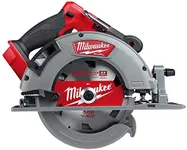
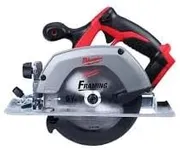
Buying Guide for the Best Circular Saw For Women
Choosing the right circular saw can be a game-changer for your DIY projects or professional work. It's important to find a saw that is comfortable, easy to handle, and meets your specific needs. When selecting a circular saw, consider factors such as weight, power, blade size, and additional features that can enhance usability and safety. Here are some key specifications to help you make an informed decision.WeightWeight is a crucial factor, especially for women who may prefer a lighter tool for ease of handling and reduced fatigue. Circular saws can range from lightweight models (around 6-8 pounds) to heavier ones (10 pounds or more). If you plan to use the saw for extended periods or for overhead cuts, a lighter model will be more comfortable. However, heavier saws can offer more stability and power for tougher jobs. Choose a weight that balances comfort and the type of work you will be doing.
PowerPower is measured in amps for corded saws and volts for cordless ones. Higher power means the saw can handle tougher materials and make smoother cuts. For light to medium tasks, a saw with 10-12 amps (corded) or 18-20 volts (cordless) should suffice. For more demanding projects, look for saws with 13-15 amps or 20+ volts. Consider the type of materials you will be cutting and choose a power level that matches your needs.
Blade SizeThe blade size determines the depth of cut the saw can make. Common blade sizes are 6.5 inches and 7.25 inches. A 6.5-inch blade is suitable for most DIY projects and lighter tasks, while a 7.25-inch blade can handle deeper cuts and more demanding jobs. Think about the thickness of the materials you will be cutting and choose a blade size that can accommodate those needs.
ErgonomicsErgonomics refers to how comfortable and easy the saw is to use. Look for features like a comfortable grip, easy-to-reach controls, and a balanced design. Some saws come with additional handles for better control. If possible, try holding the saw before purchasing to ensure it feels comfortable in your hands. Good ergonomics can reduce strain and improve accuracy.
Safety FeaturesSafety features are essential to prevent accidents and injuries. Look for saws with blade guards, electric brakes, and safety switches. Blade guards protect you from the spinning blade, while electric brakes stop the blade quickly after the trigger is released. Safety switches prevent accidental starts. Prioritize saws with these features to ensure a safer working environment.
Dust CollectionDust collection systems help keep your workspace clean and improve visibility while cutting. Some saws come with built-in dust blowers or ports for attaching a vacuum. If you work indoors or in a confined space, a good dust collection system can make a significant difference. Consider how much dust your projects will generate and choose a saw with an effective dust management system.
AdjustabilityAdjustability features, such as bevel and depth adjustments, allow you to make precise cuts at various angles and depths. Bevel adjustments are useful for making angled cuts, while depth adjustments control how deep the blade cuts into the material. Look for saws with easy-to-use adjustment mechanisms and clear markings. If your projects require a variety of cuts, these features will be very beneficial.