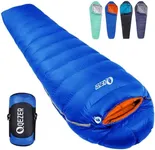
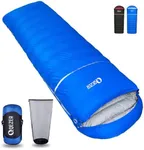
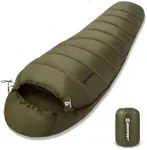
Buying Guide for the Best Cheap Ultralight Sleeping Bag
Choosing the right ultralight sleeping bag is crucial for a comfortable and successful outdoor adventure. The key is to find a balance between weight, warmth, and comfort. When selecting a sleeping bag, consider the climate and conditions you'll be facing, as well as your personal comfort preferences. Here are some key specifications to help you make an informed decision.WeightWeight is a critical factor for ultralight sleeping bags, especially if you're backpacking or hiking long distances. The lighter the sleeping bag, the less burden you'll carry. Sleeping bags can range from under 1 pound to over 3 pounds. For ultralight options, aim for a bag that weighs around 1 to 2 pounds. If you're a minimalist or planning a long trek, go for the lightest option that still meets your warmth needs.
Temperature RatingThe temperature rating indicates the lowest temperature at which the sleeping bag will keep you warm. This is important to ensure you stay comfortable and safe in varying weather conditions. Ratings can range from below freezing to above 50°F. For three-season use, a bag rated between 20°F to 40°F is usually sufficient. If you're camping in colder conditions, opt for a lower temperature rating. Always consider the coldest temperature you might encounter and choose a bag that can handle it.
Insulation TypeInsulation type affects the warmth, weight, and packability of the sleeping bag. There are two main types: down and synthetic. Down insulation is lighter and more compressible, making it ideal for ultralight backpacking, but it can lose its insulating properties when wet. Synthetic insulation is bulkier but retains warmth even when damp and is generally more affordable. Choose down if weight and packability are your top priorities and you can keep it dry. Opt for synthetic if you expect wet conditions or want a more budget-friendly option.
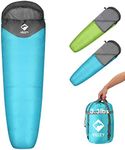
ShapeThe shape of the sleeping bag influences its warmth and comfort. Mummy bags are the most common for ultralight options, as they are snug and efficient at retaining heat. They taper towards the feet, reducing weight and bulk. Rectangular bags offer more room to move but are heavier and less efficient at retaining heat. Semi-rectangular bags are a compromise between the two. If you prioritize warmth and weight, go for a mummy bag. If you need more space to move, consider a semi-rectangular shape.
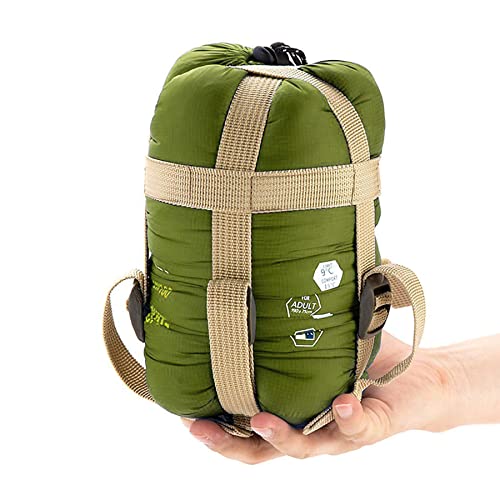
PackabilityPackability refers to how small the sleeping bag can be compressed for storage in your backpack. This is important for saving space and making your load more manageable. Down sleeping bags generally pack down smaller than synthetic ones. Look for a sleeping bag that comes with a compression sack to help reduce its size. If space in your backpack is limited, prioritize a highly packable sleeping bag.
DurabilityDurability ensures that your sleeping bag will withstand the rigors of outdoor use. This includes the quality of the materials and construction. Lightweight sleeping bags often use thinner fabrics to save weight, which can be less durable. Check for reinforced stitching and high-quality zippers. If you plan on frequent use or rough conditions, choose a sleeping bag with a good balance of weight and durability.