Buying Guide for the Best Center Speakers
Choosing the right center speaker is crucial for creating an immersive audio experience, especially in a home theater setup. The center speaker is responsible for delivering clear dialogue and central audio elements, making it a key component of your sound system. To make an informed decision, you need to understand the key specifications and how they impact performance. Here are the essential specs to consider when selecting a center speaker.Frequency ResponseFrequency response refers to the range of sound frequencies a speaker can reproduce, typically measured in Hertz (Hz). This spec is important because it determines how well the speaker can handle different types of audio, from deep bass to high treble. A wider frequency response means the speaker can produce a more complete and accurate sound. For center speakers, look for a frequency response that covers at least 80 Hz to 20,000 Hz to ensure clear dialogue and balanced audio.
SensitivitySensitivity measures how effectively a speaker converts power into sound, expressed in decibels (dB). Higher sensitivity means the speaker can produce louder sound with less power. This is important for center speakers because it ensures that dialogue and central audio elements are clear and audible without requiring excessive amplifier power. Sensitivity ratings typically range from 85 dB to 100 dB. If you have a lower-powered amplifier, aim for a higher sensitivity rating to get the best performance.
ImpedanceImpedance is the resistance a speaker offers to the electrical current from the amplifier, measured in ohms. This spec is important because it affects how much power the speaker can handle and how it interacts with your amplifier. Most center speakers have an impedance of 4, 6, or 8 ohms. Ensure that the impedance of the center speaker matches or is compatible with your amplifier to avoid any performance issues or damage.
Power HandlingPower handling indicates the maximum amount of power a speaker can handle, measured in watts. This spec is important because it ensures the speaker can handle the output from your amplifier without distortion or damage. Power handling is usually divided into two values: RMS (continuous power) and peak (maximum power). For center speakers, look for RMS power handling that matches your amplifier's output to ensure consistent performance.
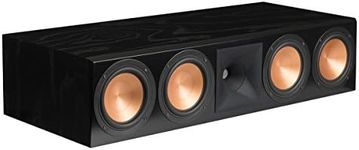
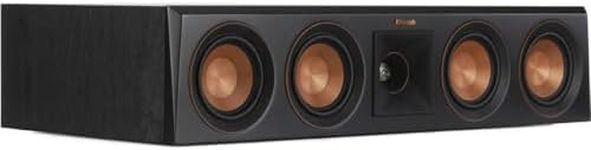
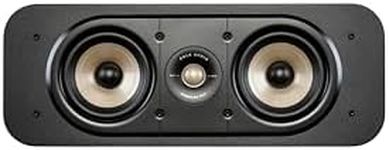
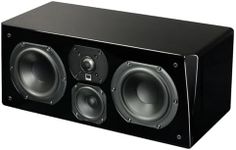
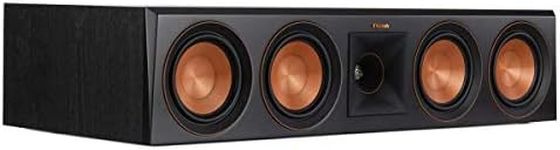
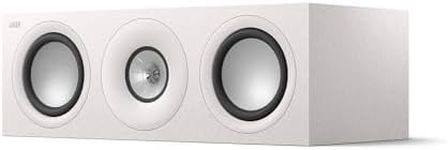
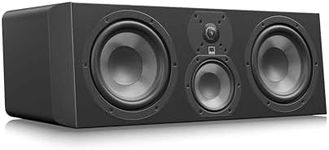
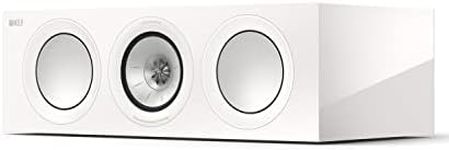
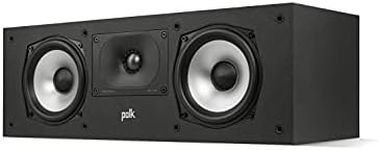
Driver ConfigurationDriver configuration refers to the arrangement and types of drivers (woofers, tweeters, etc.) within the speaker. This spec is important because it affects the speaker's ability to reproduce different frequencies accurately. Common configurations include 2-way (woofer and tweeter) and 3-way (woofer, midrange, and tweeter). For center speakers, a 2-way configuration is often sufficient for clear dialogue, but a 3-way configuration can provide more detailed and balanced sound.
Size and DesignSize and design refer to the physical dimensions and aesthetic of the speaker. This spec is important because it affects how the speaker fits into your home theater setup and its visual appeal. Larger speakers generally offer better sound quality but may be harder to place. Consider the space available in your setup and choose a design that complements your room's decor while providing the best audio performance.