Buying Guide for the Best Carbon Monoxide And Natural Gas Detector
Choosing the right carbon monoxide and natural gas detector is crucial for ensuring the safety of your home or workplace. These detectors can alert you to dangerous levels of carbon monoxide and natural gas, which are both colorless and odorless, making them difficult to detect without the proper equipment. When selecting a detector, it's important to consider several key specifications to ensure you get a device that meets your needs and provides reliable protection.Sensor TypeThe sensor type in a detector determines how it detects gases. Common types include electrochemical sensors for carbon monoxide and catalytic bead sensors for natural gas. Electrochemical sensors are highly accurate and respond quickly to carbon monoxide, making them ideal for home use. Catalytic bead sensors are effective for detecting natural gas and are often used in industrial settings. Choose a detector with the appropriate sensor type based on the specific gases you need to monitor and the environment in which it will be used.
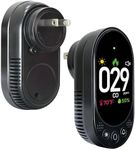
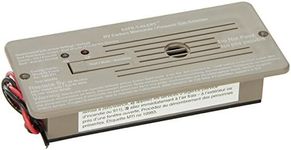
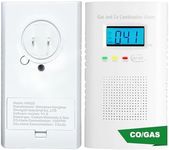
Power SourceDetectors can be powered by batteries, hardwired into your home's electrical system, or plugged into an outlet. Battery-powered detectors are easy to install and can be placed anywhere, but they require regular battery replacement. Hardwired detectors are more reliable as they are connected to your home's power supply, but they may require professional installation. Plug-in detectors are convenient and easy to use, but they need to be placed near an outlet. Consider your installation preferences and the availability of power sources when choosing a detector.
Alarm TypeThe alarm type refers to how the detector alerts you to the presence of gas. Most detectors use audible alarms, which emit a loud sound to alert you. Some models also include visual alarms, such as flashing lights, which can be helpful for individuals with hearing impairments. Advanced models may offer voice alerts or connectivity to smart home systems, allowing for notifications on your phone. Choose an alarm type that ensures you will be promptly and effectively alerted in case of an emergency.
Sensitivity and Detection RangeSensitivity refers to the detector's ability to detect low levels of gas, while the detection range indicates the area the detector can effectively monitor. Higher sensitivity is important for early detection of gas leaks, but it may also lead to more false alarms. The detection range should cover the area where the detector is installed. For larger spaces, you may need multiple detectors to ensure comprehensive coverage. Consider the size of the area you need to monitor and the importance of early detection when evaluating sensitivity and detection range.
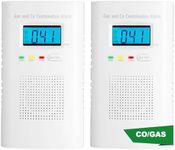
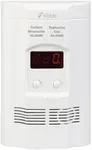
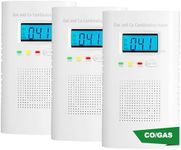
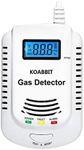
Display and IndicatorsMany detectors come with digital displays that show the current gas levels, battery status, and other important information. Indicators such as LED lights can provide visual cues about the detector's status, such as power, alarm, and fault conditions. A clear and easy-to-read display can help you quickly assess the situation and take appropriate action. Choose a detector with a display and indicators that provide the information you need in a format that is easy to understand.
Certification and ComplianceCertification and compliance with safety standards ensure that the detector has been tested and meets specific safety requirements. Look for detectors that are certified by recognized organizations such as Underwriters Laboratories (UL) or the Canadian Standards Association (CSA). These certifications indicate that the detector has undergone rigorous testing and is reliable. Always choose a detector that meets or exceeds the safety standards for your region to ensure maximum protection.
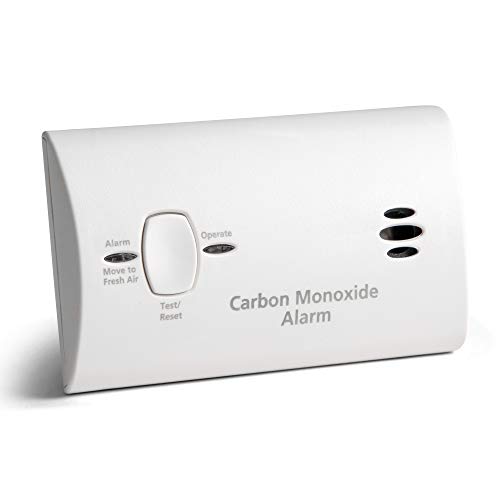
Additional FeaturesSome detectors come with additional features such as interconnectivity, which allows multiple detectors to communicate with each other, or smart home integration, which enables remote monitoring and control via a smartphone app. Other features may include a built-in battery backup, end-of-life indicators, and test/reset buttons. Consider which additional features are important to you and how they can enhance the functionality and convenience of the detector.