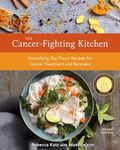
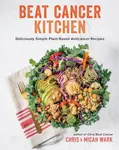
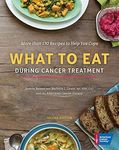
Buying Guide for the Best Cancer Cookbooks
Choosing the right cancer cookbook can be a crucial step in supporting the nutritional needs and overall well-being of someone undergoing cancer treatment. These cookbooks are designed to provide recipes that are not only nutritious but also easy to digest and appealing to those who may have altered taste preferences or reduced appetite due to treatment. When selecting a cancer cookbook, it's important to consider several key factors to ensure it meets the specific needs of the individual. Here are some key specifications to look for and how to navigate them.Nutritional FocusThe nutritional focus of a cancer cookbook is essential because it ensures that the recipes provide the necessary nutrients to support the body during treatment. Look for cookbooks that emphasize high-protein, high-calorie, and nutrient-dense recipes, as these can help maintain strength and energy levels. Some cookbooks may also focus on specific dietary needs, such as low-sugar or low-sodium recipes, which can be important for certain patients. Choose a cookbook that aligns with the dietary recommendations provided by the healthcare team.
Ease of PreparationEase of preparation is important because cancer patients may have limited energy and stamina. Cookbooks that offer simple, quick, and easy-to-follow recipes can be very helpful. Look for books that use common ingredients and require minimal cooking skills. Some cookbooks may also include tips for meal prepping and batch cooking, which can save time and effort. If the patient has a caregiver, consider whether the recipes are easy for them to prepare as well.
Taste and TextureTaste and texture are crucial because cancer treatments can alter taste buds and make certain textures unappealing. Cookbooks that offer a variety of flavors and textures can help find options that are more palatable. Look for recipes that include mild, soothing flavors and soft, easy-to-chew textures if the patient has mouth sores or difficulty swallowing. It's also beneficial to have a range of recipes to accommodate changing preferences.
Special Dietary ConsiderationsSpecial dietary considerations are important because some cancer patients may have specific dietary restrictions or preferences, such as vegetarian, vegan, gluten-free, or dairy-free diets. Ensure the cookbook you choose offers recipes that cater to these needs. Additionally, some patients may need to avoid certain foods that can interfere with treatment or exacerbate side effects, so it's important to select a cookbook that provides safe and appropriate options.
Expert RecommendationsExpert recommendations can provide reassurance that the cookbook is reliable and beneficial. Look for cookbooks that are authored or endorsed by nutritionists, dietitians, or oncologists who specialize in cancer care. These experts can offer valuable insights and ensure that the recipes are nutritionally balanced and suitable for cancer patients. Reading reviews and testimonials from other patients and caregivers can also help gauge the effectiveness and appeal of the cookbook.