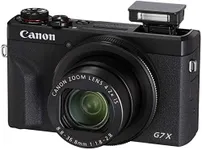
Buying Guide for the Best Cameras For Videography
Choosing the right camera for videography can be a daunting task, but with the right approach, you can find a model that suits your needs perfectly. The key is to understand the various specifications and how they impact your video production. By focusing on what you need for your specific projects, you can make an informed decision. Here are some key specs to consider when selecting a camera for videography.ResolutionResolution refers to the number of pixels that make up the video image. Higher resolution means more detail and clarity. Common resolutions include Full HD (1080p), 4K, and even 8K. For most videographers, 4K is a good balance between quality and file size. If you are producing content for high-end platforms or future-proofing your work, 8K might be worth considering. However, for everyday use and online content, 1080p is often sufficient.
Frame RateFrame rate is the number of frames captured per second (fps). Standard frame rates include 24fps, 30fps, and 60fps. 24fps is often used for a cinematic look, 30fps is common for TV and online videos, and 60fps is great for smooth motion and slow-motion effects. Choose a frame rate based on the style and type of content you are creating. For example, if you are filming action scenes or sports, a higher frame rate like 60fps will be beneficial.
Sensor SizeThe sensor size affects the camera's ability to capture light and detail. Larger sensors, such as full-frame or APS-C, generally provide better image quality, especially in low light. Smaller sensors, like Micro Four Thirds, can still produce excellent video but may struggle more in low-light conditions. Consider the type of videography you do; if you often shoot in low light or need a shallow depth of field, a larger sensor is preferable.
AutofocusAutofocus is crucial for keeping your subjects sharp and in focus, especially when they are moving. Look for cameras with reliable and fast autofocus systems. Some cameras offer advanced features like face and eye detection, which can be very helpful for shooting interviews or vlogs. If you frequently shoot dynamic scenes or work solo, a camera with excellent autofocus will make your job much easier.
StabilizationImage stabilization helps reduce camera shake, resulting in smoother footage. There are two main types: optical (in-lens) and in-body stabilization. Some cameras offer both, providing even better stabilization. If you often shoot handheld or in motion, having good stabilization is essential to avoid shaky footage. For static shots or when using a tripod, stabilization is less critical but still beneficial.
Audio CapabilitiesGood audio is just as important as good video. Look for cameras with high-quality built-in microphones and, more importantly, external microphone inputs. This allows you to use professional microphones for better sound quality. Some cameras also offer headphone jacks for monitoring audio levels. If you plan to record interviews, vlogs, or any content where clear audio is crucial, prioritize cameras with robust audio features.
Battery LifeBattery life determines how long you can shoot before needing to recharge or replace the battery. Longer battery life is always better, especially for extended shoots or when you are on the go. Check the estimated battery life provided by the manufacturer and consider carrying spare batteries if you expect to shoot for long periods. If you often shoot in remote locations or during events, having a camera with good battery life is essential.
ConnectivityConnectivity options like Wi-Fi, Bluetooth, and HDMI output can enhance your workflow. Wi-Fi and Bluetooth allow for easy file transfer and remote control via smartphone apps. HDMI output is useful for live streaming or connecting to external monitors. Consider what connectivity features you need based on how you plan to use the camera. For instance, if you do a lot of live streaming, having a reliable HDMI output is crucial.