Buying Guide for the Best Budget Hi Fi Speakers
Choosing the right budget hi-fi speakers can significantly enhance your audio experience without breaking the bank. The key is to understand the specifications that matter most and how they align with your listening preferences and environment. By focusing on the right specs, you can find speakers that deliver excellent sound quality and performance for your needs.Frequency ResponseFrequency response refers to the range of frequencies a speaker can reproduce, typically measured in Hertz (Hz). This spec is important because it indicates how well the speaker can handle both low (bass) and high (treble) sounds. A wider frequency response range means the speaker can produce a more detailed and balanced sound. For most listeners, a range of 20Hz to 20kHz is ideal, as it covers the full spectrum of human hearing. If you enjoy deep bass, look for speakers with a lower minimum frequency, while those who prefer clear highs should focus on the upper end of the range.
SensitivitySensitivity measures how efficiently a speaker converts power into sound, expressed in decibels (dB). This spec is crucial because it affects how loud the speaker can get with a given amount of power. Higher sensitivity (above 90dB) means the speaker can produce more volume with less power, making it suitable for larger rooms or lower-powered amplifiers. Lower sensitivity (below 85dB) may require more power to achieve the same volume, which can be fine for smaller spaces or more powerful amplifiers. Consider your room size and amplifier power when choosing the right sensitivity.
ImpedanceImpedance is the resistance a speaker offers to the electrical current from the amplifier, measured in ohms (Ω). This spec is important because it affects the compatibility between the speaker and the amplifier. Common impedance values are 4, 6, and 8 ohms. Most modern amplifiers can handle 8-ohm speakers, which are a safe choice for general use. If you have a high-end amplifier, you might opt for 4 or 6-ohm speakers for potentially better sound quality. Always check your amplifier's specifications to ensure it can handle the speaker's impedance.
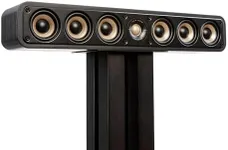
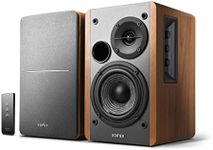
Driver Size and TypeDrivers are the components within the speaker that produce sound, and their size and type can significantly impact audio quality. Larger drivers (e.g., 6.5 inches or more) can produce deeper bass, while smaller drivers (e.g., 4-5 inches) are better for midrange and high frequencies. There are different types of drivers, such as woofers for bass, midrange drivers for vocals and instruments, and tweeters for high frequencies. Consider your listening preferences: if you love bass-heavy music, opt for speakers with larger woofers; for a balanced sound, look for a combination of different driver types.
Cabinet Design and Build QualityThe design and build quality of the speaker cabinet can affect sound performance and durability. A well-constructed cabinet minimizes vibrations and resonance, leading to clearer sound. Look for cabinets made from high-quality materials like MDF (medium-density fiberboard) or solid wood, which provide better acoustic properties than plastic. The design, including the shape and internal bracing, also plays a role in sound quality. If possible, listen to the speakers in person to assess their build quality and how it impacts the sound.
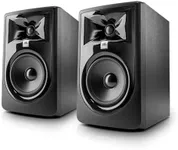
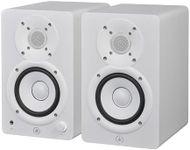
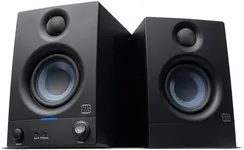
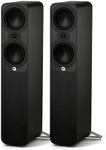
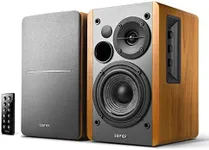
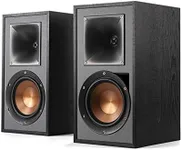
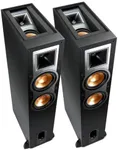
Placement and SizeThe size and placement of your speakers can influence their performance and how well they fit into your space. Larger speakers generally produce more powerful sound but may require more room, while smaller speakers are more versatile in placement but might not deliver the same level of bass. Consider where you plan to place the speakers: bookshelf speakers are great for smaller spaces and can be placed on shelves or stands, while floor-standing speakers are ideal for larger rooms and provide a fuller sound. Ensure the speakers fit well in your intended space without obstructing other elements.