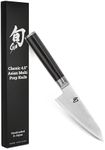
Buying Guide for the Best Boning Knife For Chicken
Choosing the right boning knife for chicken can make a significant difference in your kitchen experience. A boning knife is specifically designed to remove bones from meat, poultry, and fish. When selecting a boning knife, it's important to consider several key specifications to ensure you get the best fit for your needs. Understanding these specs will help you make an informed decision and enhance your cooking efficiency and safety.Blade MaterialThe blade material of a boning knife is crucial as it affects the knife's sharpness, durability, and ease of maintenance. Common materials include stainless steel, high-carbon steel, and ceramic. Stainless steel is resistant to rust and easy to maintain, making it a popular choice for home cooks. High-carbon steel is known for its sharpness and edge retention but requires more care to prevent rust. Ceramic blades are extremely sharp and lightweight but can be brittle. Choose a blade material based on your preference for maintenance and durability.
Blade FlexibilityBlade flexibility refers to how much the blade can bend without breaking. This is important for maneuvering around bones and joints. Flexible blades are ideal for delicate tasks and provide better control when working with chicken. Stiff blades, on the other hand, offer more power and precision for tougher cuts. If you primarily work with chicken, a moderately flexible blade is usually the best choice as it offers a good balance between control and strength.
Blade LengthThe length of the blade affects the knife's versatility and ease of use. Boning knives typically range from 5 to 7 inches. Shorter blades (around 5 inches) offer more control and are easier to handle, making them suitable for smaller cuts and detailed work. Longer blades (6-7 inches) provide more reach and are better for larger cuts of meat. For chicken, a blade length of 5 to 6 inches is generally ideal as it offers a good balance of control and reach.
Handle MaterialThe handle material impacts the knife's comfort, grip, and durability. Common handle materials include wood, plastic, and composite. Wooden handles offer a traditional look and feel but require more maintenance to prevent damage from moisture. Plastic handles are durable, easy to clean, and often have a textured surface for a better grip. Composite handles combine the benefits of both wood and plastic, offering durability and a comfortable grip. Choose a handle material that feels comfortable in your hand and provides a secure grip, especially when working with slippery chicken.
Weight and BalanceThe weight and balance of a boning knife affect how it feels in your hand and how easy it is to control. A well-balanced knife will have its weight evenly distributed between the blade and the handle, making it easier to maneuver. Heavier knives can provide more power for cutting through tougher parts, while lighter knives offer better control for delicate tasks. For boning chicken, a knife with a balanced weight that feels comfortable in your hand is ideal, as it will reduce fatigue and improve precision.