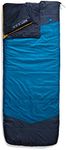
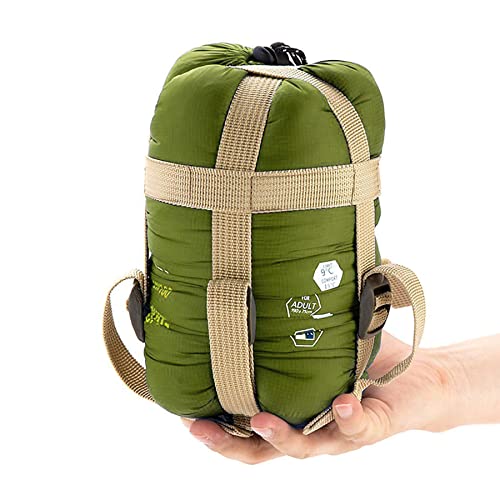
Buying Guide for the Best Big And Tall Backpacking Sleeping Bag
Choosing the right big and tall backpacking sleeping bag is crucial for ensuring a comfortable and restful night's sleep during your outdoor adventures. When selecting a sleeping bag, it's important to consider various specifications that will affect your comfort, warmth, and overall experience. Here are some key specs to consider and how to navigate them to find the best fit for you.Size and LengthSize and length are critical for ensuring that the sleeping bag fits your body comfortably. A sleeping bag that is too short or too narrow can be uncomfortable and restrict your movement. For big and tall individuals, look for sleeping bags labeled as 'long' or 'XL,' which are designed to accommodate taller and larger body types. Measure your height and compare it to the sleeping bag's dimensions to ensure a proper fit. If you are on the taller side, aim for a bag that is at least 6 inches longer than your height.
Temperature RatingThe temperature rating indicates the lowest temperature at which the sleeping bag will keep you warm. This is important for ensuring you stay comfortable in various weather conditions. Temperature ratings are usually divided into three categories: summer (above 35°F), three-season (10°F to 35°F), and winter (below 10°F). Choose a temperature rating based on the coldest conditions you expect to encounter. If you tend to get cold easily, consider selecting a bag with a lower temperature rating for added warmth.
Insulation TypeInsulation type affects the warmth, weight, and packability of the sleeping bag. There are two main types: down and synthetic. Down insulation is lightweight, compressible, and offers excellent warmth, making it ideal for cold weather. However, it can lose its insulating properties when wet. Synthetic insulation is bulkier and heavier but retains warmth even when damp and is generally more affordable. Choose down insulation for lightweight and cold-weather backpacking, and synthetic for wet conditions or if you prefer a more budget-friendly option.
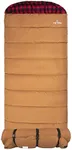
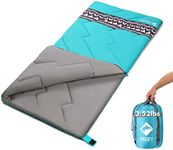
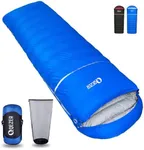
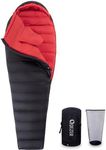
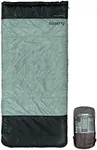
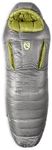
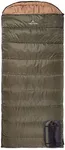
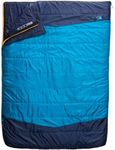
ShapeThe shape of the sleeping bag influences its warmth and comfort. Common shapes include mummy, rectangular, and semi-rectangular. Mummy bags are snug and tapered, providing maximum warmth and reducing weight, but they can feel restrictive. Rectangular bags offer more room to move but may not retain heat as well. Semi-rectangular bags strike a balance between warmth and space. For big and tall individuals, a semi-rectangular or rectangular shape may provide more comfort and freedom of movement.
Weight and PackabilityWeight and packability are important for backpacking, as you will be carrying the sleeping bag along with other gear. Lighter and more compressible sleeping bags are easier to carry and take up less space in your backpack. Down insulation typically offers better weight-to-warmth ratios and compressibility compared to synthetic. Consider the overall weight of your gear and how much space you have in your backpack when choosing a sleeping bag. If you prioritize lightweight gear, opt for a down sleeping bag.
Durability and MaterialDurability and material quality affect the longevity and performance of the sleeping bag. Look for sleeping bags made with high-quality, ripstop nylon or polyester fabrics, which are resistant to tears and abrasions. The denier rating of the fabric can give you an idea of its durability; higher denier fabrics are generally more durable but may be heavier. Consider your typical camping conditions and how much wear and tear your sleeping bag will endure. If you frequently camp in rugged environments, prioritize durability.