We Use CookiesWe use cookies to enhance the security, performance, functionality and for analytical and promotional activities. By continuing to browse this site you are agreeing to our privacy policy

Best Polarizing Filters

From leading brands and best sellers available on the web.
#1

Winner

Amazon Basics Circular Polarizer Ca

Amazon Basics

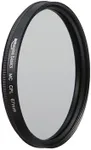
Amazon Basics Circular Polarizer Camera Lens Filter - 67 mm

View on Amazon
#2
Amazon Basics Circular Polarizer Ca

Amazon Basics

Amazon Basics Circular Polarizer Camera Lens Filter - 55 mm

View on Amazon
#3
Amazon Basics Circular Polarizer Ca

Amazon Basics

10%OFF

Amazon Basics Circular Polarizer Camera Lens Filter - 58 mm

View on Amazon
#4
LEE100 Clip-on 105mm Polarizer – Co

Lee(リー)

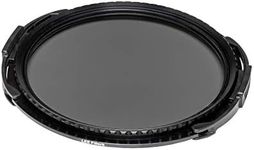
LEE100 Clip-on 105mm Polarizer – Compatible with LEE100 Holder When Used with Mirrorless and DSLR Cameras
View on Amazon
#5
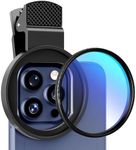
ALILUSSO 52mm Polarizing Filter for

ALILUSSO

ALILUSSO 52mm Polarizing Filter for iPhone, Circular Polarized Lens with Upgraded Clip,Rotatable Cpl Filter Compatible with iPhone 16/15/14/13 Pro Max Samsung Moto Google TCL Phone

View on Amazon
#6
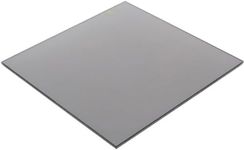
Lee Filters SW150 150x150mm Circula

Lee

Lee Filters SW150 150x150mm Circular Polarizer Filter
View on Amazon
#7
B + W Circular Polarizer Kaesemann

Schneider Optics

B + W Circular Polarizer Kaesemann - Standard Mount (F-PRO), HTC, 16 Layers Multi-Resistant Coating, Photography Filter, 82 mm

View on Amazon
#8
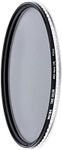
Lee Filters 4x4" Circular Polarizer

Lee

Lee Filters 4x4" Circular Polarizer (100x100mm)
View on Amazon
#9
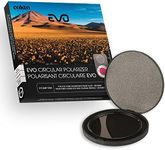
Cokin EVO Circular Polarizer 105mm

Cokin

Cokin EVO Circular Polarizer 105mm for EVO Holder L (Z) - (BZE01)
View on Amazon
#10
NiSi- 112mm True Color Pro Nano CPL

NiSi

NiSi- 112mm True Color Pro Nano CPL for Nikon Z 14-24mm f/2.8 S - Glare-Reduction, Nano-Coated Optical Glass, Zero Color and Rotating Circular Polarizing Lens Filter - Compatible with Nikon HB-97 Hood

View on Amazon
How do we rank products for you?

Our technology thoroughly searches through the online shopping world, reviewing hundreds of sites. We then process and analyze this information, updating in real-time to bring you the latest top-rated products. This way, you always get the best and most current options available.

headphones-stars

Most Popular Categories Right Now

Buying Guide for the Best Polarizing Filters

Polarizing filters are essential tools for photographers looking to enhance the quality of their images. These filters help reduce reflections, increase color saturation, and improve contrast in your photos. When choosing a polarizing filter, it's important to understand the key specifications and how they align with your photography needs. This guide will help you navigate through the important aspects to consider when selecting the right polarizing filter for you.
Filter TypeThere are two main types of polarizing filters: linear and circular. Linear polarizers are effective at reducing reflections and glare but can interfere with autofocus and metering systems in modern cameras. Circular polarizers, on the other hand, are designed to work with these systems, making them more suitable for most digital cameras. If you use a digital camera with autofocus, a circular polarizer is the best choice.
Filter SizeThe filter size refers to the diameter of the filter, which must match the diameter of your camera lens. This size is usually indicated on the lens itself or in the lens's manual. Common sizes range from 49mm to 82mm. To ensure compatibility, check your lens's diameter and choose a filter that matches. If you have multiple lenses with different diameters, you might consider using step-up or step-down rings to adapt the filter to different lenses.
CoatingCoatings on polarizing filters can significantly impact their performance. Multi-coated filters reduce reflections on the filter surface, which helps to minimize lens flare and ghosting. This results in clearer, sharper images. Single-coated or uncoated filters are generally less expensive but may not perform as well in challenging lighting conditions. For the best image quality, look for a filter with multi-coating.
Build QualityThe build quality of a polarizing filter affects its durability and ease of use. High-quality filters are typically made from materials like brass or aluminum, which provide a sturdy frame that resists warping. The glass used in the filter should be high-grade optical glass for the best image clarity. Additionally, consider the filter's ease of rotation, as you'll need to adjust it to achieve the desired polarizing effect. A well-built filter will rotate smoothly and stay in place once adjusted.
Light TransmissionPolarizing filters reduce the amount of light entering the lens, which can affect your exposure settings. The degree of light reduction is measured in stops, with most polarizing filters reducing light by 1.5 to 2 stops. This is important to consider if you often shoot in low-light conditions, as you may need to compensate with a slower shutter speed or higher ISO. If you frequently shoot in bright conditions, the light reduction can actually be beneficial by allowing you to use wider apertures or slower shutter speeds.