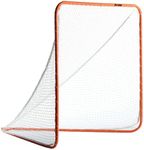
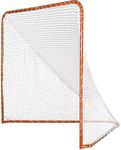
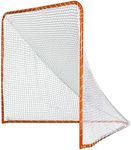
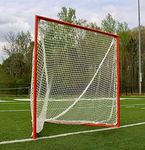
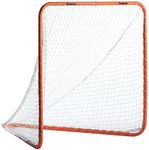
Buying Guide for the Best Lacrosse Goals
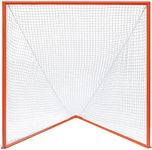
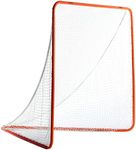
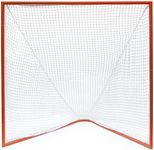
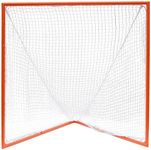
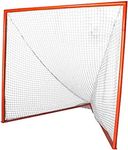
Choosing the right lacrosse goal is essential for both practice and competitive play. The right goal can help improve your skills, ensure safety, and provide durability for long-term use. When selecting a lacrosse goal, consider the following key specifications to ensure you get the best fit for your needs.SizeThe size of a lacrosse goal is crucial as it needs to match the level of play. Official lacrosse goals for high school and college are 6 feet by 6 feet. For youth players, smaller goals are often used, such as 4 feet by 4 feet. If you are buying for a young player or for casual backyard practice, a smaller goal might be more appropriate. For competitive play or high school/college level practice, stick with the regulation size.
MaterialLacrosse goals are typically made from either steel or aluminum. Steel goals are heavier and more durable, making them ideal for permanent setups and competitive play. Aluminum goals are lighter and easier to move, which is great for practice sessions where the goal might need to be relocated frequently. Consider how and where you will use the goal to determine the best material for your needs.
NettingThe netting on a lacrosse goal is important for catching and holding the ball. Netting is usually made from nylon or polyester. Thicker netting (measured in millimeters) is more durable and can withstand more powerful shots, making it suitable for advanced players. Thinner netting is lighter and may be sufficient for youth or casual play. Assess the level of play and frequency of use to choose the appropriate netting thickness.
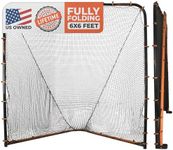
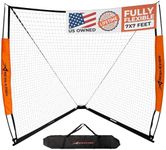
PortabilityPortability refers to how easy it is to move and set up the lacrosse goal. Some goals are designed to be portable with foldable frames and lightweight materials, making them easy to transport and store. Others are more permanent and require assembly. If you need a goal that can be easily moved or stored away when not in use, look for a portable option. For a more permanent setup, a fixed goal might be more suitable.
AssemblyThe ease of assembly can vary between lacrosse goals. Some goals come with quick-setup features and require minimal tools, while others may need more time and effort to assemble. If you prefer convenience and quick setup, look for goals that advertise easy assembly. For those who don't mind spending a bit more time on setup for a more robust structure, a more complex assembly might be acceptable.
Weather ResistanceWeather resistance is important if the lacrosse goal will be used or stored outdoors. Look for goals with powder-coated frames and UV-resistant netting to ensure they can withstand various weather conditions without rusting or deteriorating. If you plan to leave the goal outside, weather-resistant features will help prolong its lifespan and maintain its performance.