Buying Guide for the Best Backpacking Tents
Choosing the right backpacking tent is crucial for a comfortable and enjoyable outdoor adventure. The right tent will protect you from the elements, provide a good night's sleep, and be easy to carry. When selecting a backpacking tent, consider factors such as weight, size, seasonality, and ease of setup. Understanding these key specifications will help you make an informed decision that best suits your needs and preferences.WeightWeight is a critical factor for backpacking tents because you'll be carrying it on your back for long distances. Tents can range from ultralight (under 2 pounds) to heavier options (over 5 pounds). Ultralight tents are great for minimizing your load but may sacrifice some durability and space. Heavier tents offer more comfort and durability but can be cumbersome to carry. Choose a weight that balances your need for comfort and your ability to carry the load over long distances.
CapacityCapacity refers to the number of people a tent can accommodate. Tents are typically rated for 1 to 4 people. A 1-person tent is the lightest and most compact but offers limited space. A 2-person tent provides more room for gear and comfort but is slightly heavier. Larger tents (3-4 people) offer more space but can be significantly heavier and bulkier. Consider how many people will be using the tent and how much space you need for comfort and gear storage.
SeasonalitySeasonality indicates the tent's ability to withstand different weather conditions. 3-season tents are designed for spring, summer, and fall, offering good ventilation and protection from rain and wind. 4-season tents are built for winter conditions, providing extra warmth and stability in snow and high winds. Choose a 3-season tent for most backpacking trips unless you plan to camp in extreme winter conditions, in which case a 4-season tent is necessary.
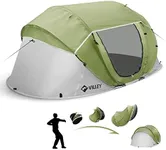
SetupEase of setup is important, especially after a long day of hiking. Some tents are freestanding, meaning they can stand on their own without stakes, making them easier and quicker to set up. Others require staking and guy lines, which can be more time-consuming. Look for a tent with a simple and intuitive setup process, especially if you are new to backpacking or often set up camp in the dark or adverse weather conditions.
DurabilityDurability refers to the tent's ability to withstand wear and tear from use and the elements. Tents made from higher-denier fabrics and with reinforced seams are generally more durable but can be heavier. Lightweight tents may use thinner materials that are less durable. Consider how often you will use the tent and in what conditions. If you plan to use it frequently or in harsh environments, opt for a more durable tent. For occasional use in mild conditions, a lighter, less durable tent may suffice.
VentilationVentilation is crucial for reducing condensation inside the tent and maintaining a comfortable sleeping environment. Tents with mesh panels and multiple vents allow for better airflow. In warmer climates, good ventilation is essential to stay cool and dry. In colder climates, you still need some ventilation to prevent condensation buildup. Choose a tent with adequate ventilation features based on the typical weather conditions you will encounter.
Packed SizePacked size refers to how compact the tent is when stored in its carrying bag. A smaller packed size is easier to fit into your backpack and leaves more room for other gear. Tents with a smaller packed size are typically lighter but may offer less space and comfort. Consider the available space in your backpack and how much room you need for other essentials when choosing a tent with an appropriate packed size.