Buying Guide for the Best Archival Photo Albums
Choosing the right archival photo album is essential for preserving your precious memories for years to come. Archival photo albums are designed to protect your photographs from damage caused by environmental factors such as light, humidity, and acid. When selecting an archival photo album, it's important to consider several key specifications to ensure that your photos remain in pristine condition. Here are the key specs to look for and how to choose the best fit for your needs.Archival QualityArchival quality refers to the materials used in the album that are designed to preserve photos for a long time without deterioration. This is important because non-archival materials can cause photos to fade, yellow, or become brittle over time. Look for albums labeled as 'acid-free' and 'lignin-free,' as these materials will not produce harmful chemicals that can damage your photos. If you have valuable or irreplaceable photos, choosing an album with archival quality materials is crucial.
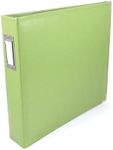
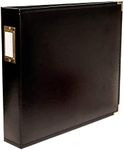
Binding TypeThe binding type of a photo album affects its durability and ease of use. Common binding types include ring-bound, post-bound, and book-bound. Ring-bound albums allow for easy rearrangement and addition of pages, making them ideal for growing collections. Post-bound albums offer a more streamlined look and can also be expanded, but they may be slightly more difficult to add pages to. Book-bound albums are typically more durable and have a classic appearance, but they do not allow for page additions. Consider how you plan to use the album and whether you need the flexibility to add more pages in the future.
Page MaterialThe material of the pages in the photo album is important for protecting your photos. Look for pages made from acid-free paper or plastic sleeves that are free from PVC (polyvinyl chloride). Acid-free paper prevents chemical reactions that can damage photos, while PVC-free plastic sleeves prevent photos from sticking and becoming damaged. If you prefer to handle your photos directly, acid-free paper pages may be the best choice. If you want to keep your photos protected from fingerprints and other contaminants, opt for PVC-free plastic sleeves.
Size and CapacityThe size and capacity of the photo album determine how many photos it can hold and the size of the photos it can accommodate. Albums come in various sizes, such as 4x6, 5x7, and 8x10, to match common photo dimensions. Consider the size of your photos and how many you need to store. If you have a large collection, choose an album with a higher capacity or one that allows for additional pages. For smaller collections or specific events, a smaller album may be more appropriate.
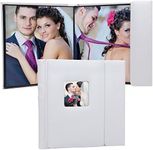
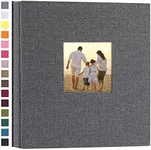
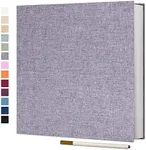
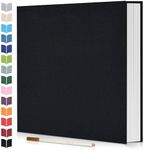
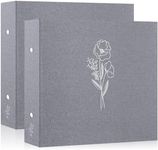
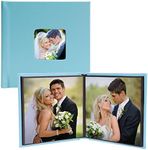
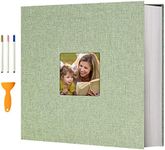
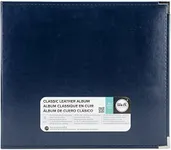
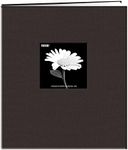
Cover MaterialThe cover material of the photo album affects its appearance and durability. Common cover materials include leather, fabric, and paper. Leather covers offer a classic and durable option, making them ideal for long-term storage and display. Fabric covers provide a softer, more personalized look and can come in various colors and patterns. Paper covers are often more affordable and lightweight but may not offer the same level of protection as leather or fabric. Consider where and how you will store the album and choose a cover material that suits your style and needs.
Photo Mounting OptionsPhoto mounting options refer to how photos are attached to the pages of the album. Common options include adhesive corners, photo sleeves, and self-adhesive pages. Adhesive corners allow for easy removal and rearrangement of photos, making them ideal for temporary displays. Photo sleeves provide a protective barrier and are great for preserving photos without direct contact. Self-adhesive pages offer a secure and permanent mounting option but may not allow for easy removal. Consider how you plan to use the album and whether you need the flexibility to rearrange or remove photos.