Buying Guide for the Best Bernette Sewing Machine
Choosing the right sewing machine can make a significant difference in your sewing experience, whether you're a beginner or an experienced sewer. It's important to consider your specific needs and the types of projects you plan to work on. By understanding the key specifications and features, you can make an informed decision and find a sewing machine that best fits your requirements.Stitch OptionsStitch options refer to the variety of stitches a sewing machine can perform, such as straight, zigzag, decorative, and buttonhole stitches. This spec is important because it determines the versatility of the machine and the types of projects you can undertake. Basic machines may offer a limited number of stitches, which is sufficient for simple projects and beginners. More advanced machines provide a wider range of stitches, ideal for more complex and decorative sewing tasks. Choose a machine with stitch options that match your sewing goals and skill level.
Automatic FeaturesAutomatic features include functions like automatic needle threading, automatic tension adjustment, and automatic buttonhole creation. These features are important because they can save time and reduce the complexity of sewing tasks, making the process more efficient and enjoyable. Beginners may benefit from machines with more automatic features to help ease the learning curve, while experienced sewers might prefer manual control for greater precision. Consider your comfort level and the convenience you desire when evaluating automatic features.
Speed ControlSpeed control refers to the ability to adjust the sewing speed, usually measured in stitches per minute (SPM). This spec is important because it allows you to work at a pace that suits your skill level and the intricacy of your project. Machines with variable speed control are ideal for beginners who need to start slow and gradually increase speed as they gain confidence. Advanced users might prefer machines with higher maximum speeds for faster project completion. Choose a machine with speed control that aligns with your sewing style and project requirements.
Built-in StitchesBuilt-in stitches are the pre-programmed stitch patterns available on the sewing machine. This spec is important because it provides a range of options for different sewing techniques and decorative effects. Basic machines may have a limited number of built-in stitches, suitable for straightforward tasks. More advanced machines offer a greater variety, including decorative and specialty stitches, which can enhance your creativity. Select a machine with built-in stitches that cater to the types of projects you plan to work on.
Machine Size and WeightThe size and weight of a sewing machine can affect its portability and storage. This spec is important because it determines how easy it is to move and store the machine when not in use. Lightweight and compact machines are ideal for those with limited space or who need to transport the machine frequently. Heavier and larger machines may offer more stability and durability, suitable for a dedicated sewing space. Consider your workspace and how often you need to move the machine when choosing the right size and weight.
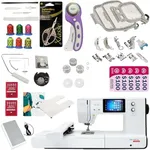
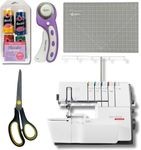
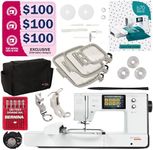
Accessories and AttachmentsAccessories and attachments include items like presser feet, bobbins, and extension tables that come with the sewing machine. This spec is important because it can enhance the machine's functionality and expand the range of projects you can tackle. Basic machines may come with essential accessories, while more advanced models offer a wider array of specialized attachments. Think about the types of projects you want to do and ensure the machine comes with or is compatible with the necessary accessories.
Durability and Build QualityDurability and build quality refer to the materials and construction of the sewing machine. This spec is important because it affects the machine's longevity and performance. Machines with metal frames and high-quality components are generally more durable and can handle heavy use. Plastic components may be lighter but less durable. Consider how often you plan to use the machine and the types of fabrics you'll be working with to determine the level of durability you need.