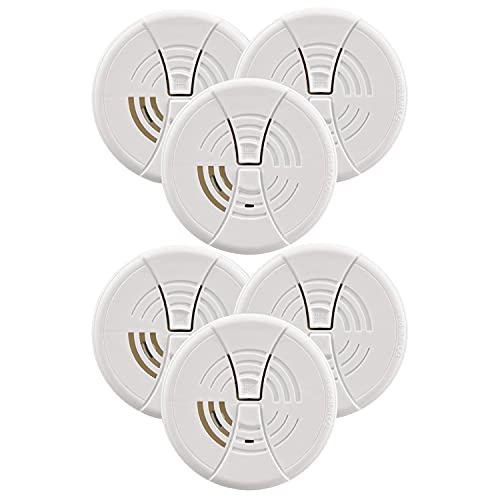
Buying Guide for the Best Battery Smoke Alarms
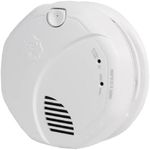
Choosing the right battery smoke alarm is crucial for ensuring the safety of your home and loved ones. Smoke alarms are designed to detect smoke and alert you to potential fires, giving you precious time to evacuate or address the situation. When selecting a battery smoke alarm, it's important to consider several key specifications to ensure you get the best fit for your needs. Here are the key specs to look out for and how to navigate them.Battery TypeThe battery type in a smoke alarm determines how long the alarm will function before needing a replacement. Common types include 9V batteries, AA batteries, and sealed lithium batteries. 9V and AA batteries typically need to be replaced annually, while sealed lithium batteries can last up to 10 years. If you prefer less frequent maintenance, a sealed lithium battery might be the best choice. However, if you don't mind changing batteries annually, 9V or AA battery models are also reliable.
Sensor TypeSmoke alarms come with different types of sensors: ionization, photoelectric, or dual-sensor. Ionization sensors are better at detecting fast-flaming fires, while photoelectric sensors are more responsive to smoldering fires. Dual-sensor alarms combine both technologies for comprehensive coverage. If you want the highest level of protection, a dual-sensor alarm is ideal. However, if you are more concerned about a specific type of fire, you can choose an alarm with the corresponding sensor type.
InterconnectivityInterconnectivity refers to the ability of smoke alarms to communicate with each other. When one alarm detects smoke, all interconnected alarms will sound. This feature is particularly useful in larger homes or multi-story buildings. If you live in a large house, consider interconnected alarms to ensure you hear the alert no matter where you are. For smaller homes or apartments, standalone alarms may suffice.
Alarm VolumeThe volume of the alarm is crucial for ensuring that everyone in the household can hear it. Most smoke alarms have a volume of around 85 decibels, which is loud enough to wake most people from sleep. If you have a large home or family members with hearing impairments, you might want to look for alarms with higher volume levels or additional features like strobe lights.
Ease of InstallationEase of installation is an important factor, especially if you plan to install the smoke alarms yourself. Some models come with easy-to-mount brackets and do not require any wiring, making them simple to install. If you are not comfortable with DIY projects, look for alarms that advertise easy installation. For those who prefer professional installation, this may be less of a concern.
Additional FeaturesSome smoke alarms come with additional features such as carbon monoxide detection, voice alerts, or smart home integration. Carbon monoxide detection is useful if you want to monitor for this dangerous gas as well. Voice alerts can help differentiate between different types of alarms (e.g., smoke vs. carbon monoxide). Smart home integration allows you to receive alerts on your phone and control the alarm remotely. Consider which additional features are important to you based on your specific needs and lifestyle.