Buying Guide for the Best Bass Drum Pedals
Choosing the right bass drum pedal is crucial for any drummer, as it directly affects your playing comfort, speed, and overall performance. The right pedal can make a significant difference in your drumming experience, whether you're a beginner or a seasoned professional. When selecting a bass drum pedal, consider the following key specifications to ensure you find the best fit for your playing style and needs.Drive TypeThe drive type of a bass drum pedal refers to the mechanism that connects the footboard to the beater. There are three main types: chain drive, direct drive, and belt drive. Chain drive pedals are the most common and offer a good balance of power and control. Direct drive pedals provide a more immediate response and are preferred by drummers who need fast, precise action. Belt drive pedals offer a smoother feel and are often chosen for their lighter action. Your choice should depend on your playing style and the type of music you play. If you need speed and precision, a direct drive might be best. For a more traditional feel, a chain or belt drive could be more suitable.
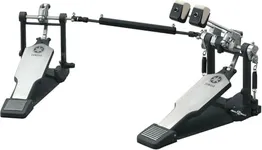
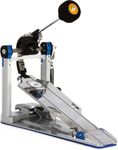
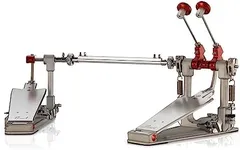
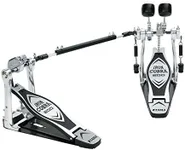
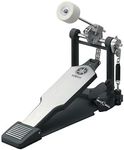
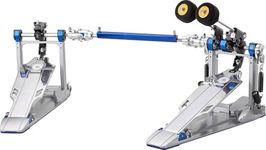
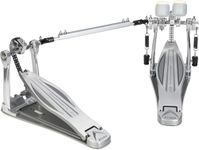
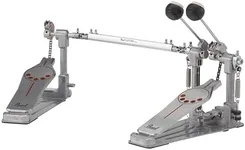
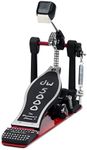
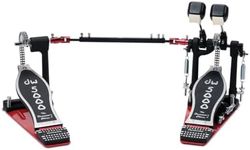
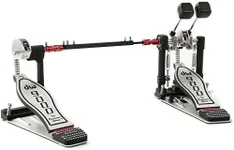
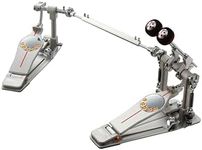
Single vs. Double PedalA single pedal has one footboard and one beater, while a double pedal has two footboards and two beaters, allowing for faster and more complex bass drum patterns. Single pedals are sufficient for most styles of music and are easier to set up and transport. Double pedals are ideal for genres that require fast, intricate footwork, such as metal or progressive rock. Consider your musical style and whether you need the additional speed and complexity that a double pedal offers. If you're just starting out or play simpler rhythms, a single pedal might be all you need.
Beater TypeThe beater is the part of the pedal that strikes the bass drum head. Beaters come in various materials, including felt, wood, and plastic, each producing a different sound. Felt beaters offer a warm, rounded tone and are versatile for various music styles. Wood beaters provide a harder, punchier sound, suitable for louder genres. Plastic beaters offer a balance between the two, with a clear, articulate attack. Choose a beater type that complements your playing style and the sound you want to achieve. If you play a wide range of music, a felt beater might be the most versatile option.
AdjustabilityAdjustability refers to the ability to fine-tune various aspects of the pedal, such as the beater angle, footboard height, and spring tension. More adjustable pedals allow you to customize the feel and response to match your playing style. If you prefer a highly personalized setup, look for a pedal with extensive adjustability options. However, if you're a beginner or prefer a simpler setup, a pedal with basic adjustments might be sufficient. Consider how much control you want over the pedal's feel and performance when making your choice.
Footboard LengthThe length of the footboard can affect your playing comfort and technique. Longer footboards provide more leverage and are often preferred by drummers with larger feet or those who use heel-toe or slide techniques. Shorter footboards offer a more compact feel and can be more responsive for quick, precise footwork. Consider your foot size and playing technique when choosing the footboard length. If you have larger feet or use advanced techniques, a longer footboard might be more comfortable. For faster, more intricate playing, a shorter footboard could be advantageous.
Build QualityThe build quality of a bass drum pedal affects its durability and performance. High-quality materials and construction ensure that the pedal can withstand heavy use and provide consistent performance over time. Look for pedals made from sturdy materials like metal and with solid construction. If you play frequently or perform live, investing in a well-built pedal can save you from potential issues and provide a more reliable playing experience. Consider how often you play and the conditions in which you'll use the pedal when evaluating build quality.