Buying Guide for the Best Baseball Training Equipment
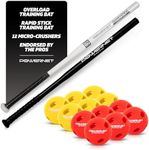
Choosing the right baseball training equipment can significantly enhance your performance and help you develop your skills effectively. The key is to understand what each piece of equipment does and how it can benefit your training. By focusing on the right specifications, you can ensure that you are getting the most out of your training sessions. Here are some key specs to consider when selecting baseball training equipment.Bat WeightThe weight of a baseball bat is crucial because it affects your swing speed and control. Lighter bats are easier to swing and can help you develop faster bat speed, which is essential for hitting fast pitches. Heavier bats, on the other hand, can help build strength and power. If you are a beginner or focusing on improving your swing speed, opt for a lighter bat. If you are looking to build power, a heavier bat might be more suitable.
Glove SizeThe size of a baseball glove is important for fielding and catching. Gloves come in various sizes, typically measured in inches. Smaller gloves (9-11 inches) are generally used by infielders for quick ball transfers, while larger gloves (12-14 inches) are preferred by outfielders for catching fly balls. Choose a glove size that matches your position and hand size to ensure comfort and effectiveness during play.
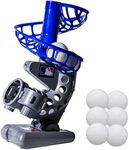
Pitching Machine Speed RangePitching machines can simulate different pitch speeds, which is essential for practicing hitting. The speed range of a pitching machine determines the variety of pitches you can practice against. Machines with a lower speed range (30-60 mph) are suitable for beginners and younger players, while those with a higher speed range (60-90+ mph) are better for advanced players. Select a machine that matches your current skill level and training goals.
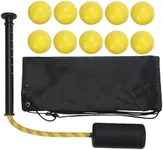
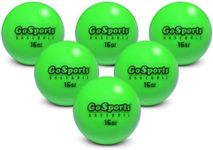
Training Ball TypeTraining balls come in different types, such as regular baseballs, weighted balls, and foam balls. Regular baseballs are used for standard practice, weighted balls help build arm strength and improve throwing mechanics, and foam balls are great for indoor practice and reducing the risk of injury. Choose the type of ball that aligns with your training focus, whether it's improving your throwing strength, accuracy, or practicing safely indoors.
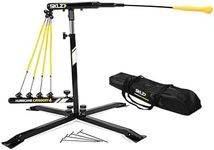
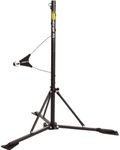
Batting Tee AdjustabilityA batting tee is a fundamental tool for practicing your swing. The adjustability of a batting tee refers to its ability to change height and angle. Adjustable tees allow you to practice hitting pitches at different heights and locations, which is crucial for developing a well-rounded swing. Look for a tee that offers a wide range of adjustability to simulate various pitch scenarios and improve your hitting technique.
Protective GearProtective gear, such as helmets, chest protectors, and shin guards, is essential for safety during training. The quality and fit of protective gear can prevent injuries and provide confidence while practicing. Ensure that the gear fits properly and is made from durable materials. For younger players, prioritize gear that offers maximum protection and comfort to encourage safe and effective training.