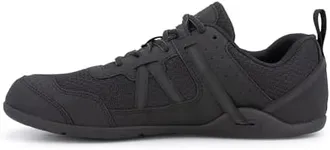
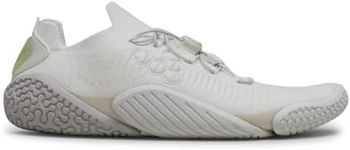
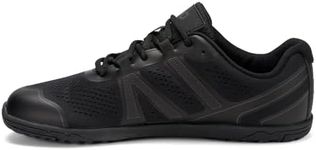
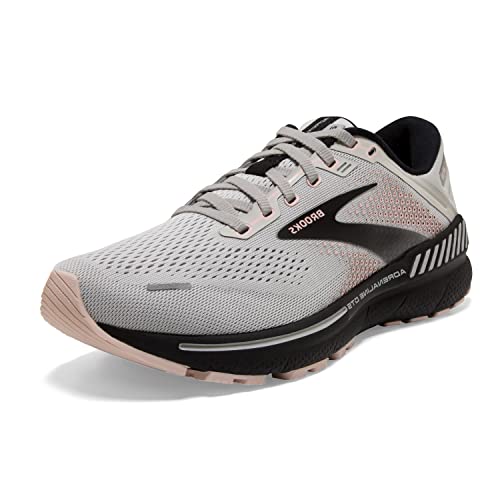
Buying Guide for the Best Barefoot Running Shoes
Barefoot running shoes are designed to mimic the feeling of running barefoot while providing some protection and support. They are popular among runners who want to improve their running form, strengthen their feet, and reduce the risk of certain injuries. When choosing barefoot running shoes, it's important to consider several key specifications to ensure you get the best fit for your needs and running style.Fit and SizingFit and sizing are crucial for barefoot running shoes because they need to feel like a second skin. A proper fit ensures that your toes have enough room to splay naturally, which is important for balance and stability. When trying on barefoot running shoes, make sure there is a thumb's width of space between your longest toe and the end of the shoe. The shoe should fit snugly around the midfoot and heel without causing any discomfort. If you have wide feet, look for brands that offer wider options.
Toe BoxThe toe box is the front part of the shoe where your toes sit. A wide toe box is important in barefoot running shoes because it allows your toes to spread out naturally, which can improve balance and reduce the risk of blisters and other foot issues. When choosing barefoot running shoes, look for a toe box that is wide enough to accommodate your toes without feeling cramped. If you have particularly wide or narrow feet, you may need to try on several pairs to find the right fit.
Heel-to-Toe DropHeel-to-toe drop refers to the difference in height between the heel and the forefoot of the shoe. Barefoot running shoes typically have a zero drop, meaning there is no difference in height. This promotes a more natural running form by encouraging a midfoot or forefoot strike rather than a heel strike. If you are new to barefoot running, you may want to start with a shoe that has a minimal drop (2-4mm) and gradually transition to a zero drop shoe to allow your muscles and tendons to adapt.
FlexibilityFlexibility in barefoot running shoes allows your feet to move naturally and adapt to different surfaces. A flexible shoe will bend easily at the ball of the foot and twist slightly. This is important because it helps to strengthen the muscles in your feet and lower legs. When choosing barefoot running shoes, look for ones that you can easily bend and twist with your hands. If you are used to more structured running shoes, you may need to gradually transition to more flexible barefoot shoes.
WeightWeight is an important factor in barefoot running shoes because lighter shoes can help you feel more connected to the ground and improve your running efficiency. Barefoot running shoes are generally lightweight, but there can still be variations. When choosing barefoot running shoes, consider how the weight of the shoe feels on your feet. If you are used to heavier running shoes, you may need some time to adjust to the lighter feel of barefoot shoes.
Sole ThicknessSole thickness, or stack height, refers to the thickness of the sole of the shoe. Barefoot running shoes typically have a thin sole to provide a more natural feel and better ground feedback. However, the thickness can vary. Thinner soles (3-5mm) offer the most ground feel and are best for experienced barefoot runners or those running on soft surfaces. Slightly thicker soles (6-10mm) provide more protection and are suitable for beginners or those running on rougher terrain. Choose a sole thickness that matches your experience level and the surfaces you plan to run on.
Material and DurabilityThe material and durability of barefoot running shoes are important for comfort and longevity. Look for shoes made from breathable, flexible materials that can withstand the wear and tear of running. Common materials include mesh, synthetic fabrics, and natural fibers. Durability is especially important if you plan to run on rough or varied terrain. When choosing barefoot running shoes, consider the type of material and how it will hold up over time based on your running habits and the environments you run in.