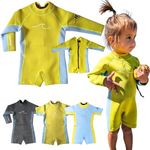
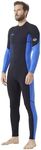
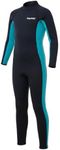
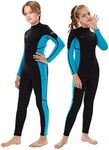
Buying Guide for the Best Baby Wetsuit
Choosing the right baby wetsuit is essential to ensure your little one stays warm, comfortable, and safe while enjoying water activities. A good wetsuit will provide insulation, protection from the sun, and a snug fit to keep your baby happy in the water. Here are some key specifications to consider when selecting a baby wetsuit and how to navigate them to find the best fit for your needs.MaterialThe material of a baby wetsuit is crucial because it determines the suit's insulation, flexibility, and comfort. Most wetsuits are made from neoprene, which is excellent for keeping the body warm by trapping a thin layer of water between the suit and the skin. This water is then warmed by body heat, providing insulation. Thicker neoprene offers more warmth but can be less flexible, while thinner neoprene is more comfortable and allows for greater movement. For babies, a balance between warmth and flexibility is important, so look for wetsuits with a neoprene thickness of around 2-3mm.
FitA proper fit is essential for a baby wetsuit to function correctly. The wetsuit should be snug but not too tight, allowing for a full range of motion without causing discomfort. A well-fitting wetsuit will prevent water from flushing in and out, which can reduce its insulating properties. When choosing a size, refer to the manufacturer's size chart and consider your baby's weight and height. It's better to choose a slightly larger size if your baby is between sizes, as they will grow into it.
Zipper TypeThe type of zipper on a baby wetsuit can affect how easy it is to put on and take off. There are two main types: back zippers and front zippers. Back zippers are more common and provide a snug fit, but they can be harder to manage when dressing a squirmy baby. Front zippers are easier to use and can make diaper changes more convenient. Consider your preference for ease of use and how often you'll need to change your baby when choosing the zipper type.
UV ProtectionUV protection is an important feature in a baby wetsuit, especially if your baby will be exposed to the sun. Many wetsuits offer built-in UV protection, which can help shield your baby's delicate skin from harmful UV rays. Look for wetsuits with a UPF (Ultraviolet Protection Factor) rating of 50+ for the best protection. This is particularly important for outdoor water activities where sun exposure is a concern.
SeamsThe seams of a wetsuit can impact its comfort and durability. Flatlock seams are common in baby wetsuits and are generally comfortable, but they can allow some water to seep through. Sealed or taped seams are more effective at preventing water entry and provide better insulation, but they can be more expensive. For most baby wetsuits, flatlock seams are sufficient, but if you plan to use the wetsuit in colder water, consider investing in one with sealed seams.
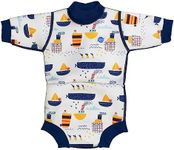
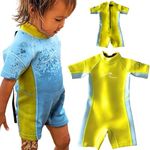
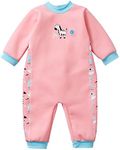
Design and StyleWhile not as critical as other specifications, the design and style of a baby wetsuit can still be important. Bright colors and fun patterns can make the wetsuit more appealing to your baby and easier to spot in the water. Additionally, some designs include extra features like hoods or built-in flotation aids. Choose a design that your baby will enjoy wearing and that meets your practical needs.