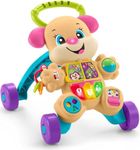
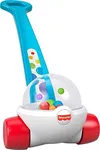
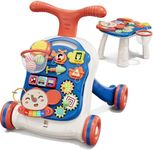
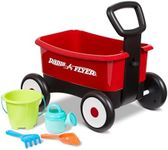
Buying Guide for the Best Baby Walking Push Toy
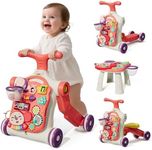
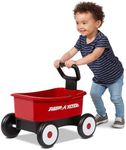
Choosing the right baby walking push toy can be a delightful experience for both you and your little one. These toys are designed to help babies develop their walking skills, balance, and coordination while providing entertainment. When selecting a baby walking push toy, it's important to consider several key specifications to ensure it meets your child's needs and safety requirements. Here are the key specs to look out for and how to choose the best one for your baby.StabilityStability refers to how well the push toy can support your baby as they learn to walk. A stable toy will have a wide base and a low center of gravity, which helps prevent tipping over. This is crucial for your baby's safety and confidence. Look for toys with a broad base and sturdy construction. If your baby is just starting to walk, a more stable toy will provide better support. As they become more confident, you can consider toys with slightly less stability to encourage balance development.
Adjustable SpeedAdjustable speed means the toy can be set to move at different speeds, which is important for matching your baby's walking pace. Some toys have wheels with adjustable resistance or speed settings. This feature is beneficial because it allows you to slow down the toy for beginners and gradually increase the speed as your baby becomes more proficient at walking. If your baby is just starting out, look for a toy with a slow speed setting. For more advanced walkers, a toy with adjustable speed can help them continue to develop their skills.
Safety FeaturesSafety features include elements like non-slip wheels, rounded edges, and secure handles. These features are important to prevent accidents and ensure your baby can use the toy safely. Non-slip wheels provide better traction on various surfaces, while rounded edges prevent injuries from sharp corners. Secure handles give your baby a firm grip as they push the toy. Always prioritize toys with comprehensive safety features to protect your baby during playtime.
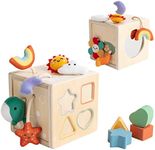
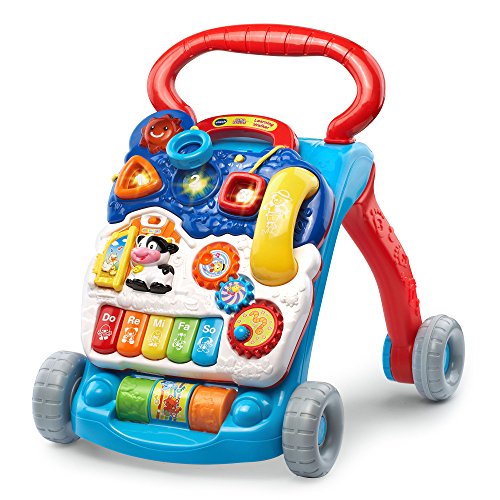
Interactive ElementsInteractive elements refer to additional features like lights, sounds, and activities that engage your baby. These can make the toy more enjoyable and stimulating, encouraging your baby to use it more often. Interactive elements can include buttons to press, shapes to sort, or music to play. If your baby enjoys sensory stimulation, look for toys with a variety of interactive features. However, if you prefer a simpler design, choose a toy with fewer distractions to focus on walking skills.
Material and DurabilityMaterial and durability refer to the construction quality of the toy. It's important to choose a toy made from safe, non-toxic materials that can withstand rough play. Durable toys will last longer and provide better value. Common materials include plastic, wood, and metal. Plastic toys are lightweight and often have bright colors, while wooden toys are sturdy and eco-friendly. Consider your baby's play habits and choose a material that suits their needs. For rougher play, a more durable material like wood or metal may be preferable.
Size and WeightSize and weight refer to the dimensions and heaviness of the toy. The right size and weight will depend on your baby's age and strength. A toy that is too large or heavy can be difficult for a baby to push, while one that is too small or light may not provide enough support. Measure your baby's height and consider their strength when choosing a toy. For younger or smaller babies, a lighter and more compact toy is ideal. As your baby grows, you can opt for a larger and slightly heavier toy to match their increased strength and coordination.