Buying Guide for the Best Av Receiver With Pre Outs
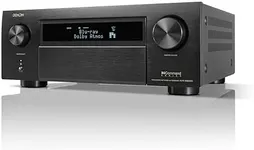
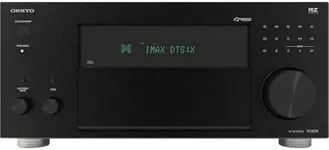
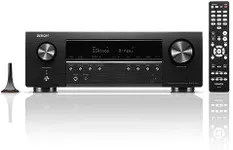
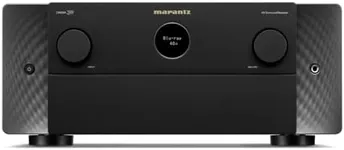
Choosing an AV receiver with pre-outs can be a great decision if you're looking to build a high-quality home theater system. An AV receiver is the central hub that connects and controls all your audio and video components, ensuring they work together seamlessly. Pre-outs are important because they allow you to connect external amplifiers, giving you more flexibility and potentially better sound quality. When selecting an AV receiver, consider the following key specifications to ensure you get the best fit for your needs.Number of ChannelsThe number of channels in an AV receiver refers to how many speakers it can support. This is important because it determines the complexity and immersive quality of your audio setup. Common configurations include 5.1, 7.1, and 9.2 channels. A 5.1 system includes five speakers and one subwoofer, suitable for smaller rooms. A 7.1 system adds two more speakers for a more enveloping sound, ideal for medium-sized rooms. A 9.2 system includes nine speakers and two subwoofers, perfect for large rooms and advanced setups. Choose based on the size of your room and how immersive you want your audio experience to be.
Power OutputPower output, measured in watts per channel, indicates how much power the receiver can deliver to each speaker. This is crucial for ensuring your speakers perform well and produce clear, dynamic sound. Lower power output (50-100 watts per channel) is suitable for smaller rooms and less demanding speakers. Medium power output (100-150 watts per channel) works well for average-sized rooms and most speakers. Higher power output (150+ watts per channel) is ideal for large rooms and high-performance speakers. Consider the size of your room and the type of speakers you have or plan to get.
Connectivity OptionsConnectivity options refer to the types and number of inputs and outputs available on the receiver. This is important for ensuring compatibility with all your devices, such as TVs, gaming consoles, Blu-ray players, and streaming devices. Look for HDMI inputs and outputs, as they support high-definition video and audio. Other useful connections include optical and coaxial digital inputs, USB ports, and network connectivity for streaming. Ensure the receiver has enough inputs to connect all your devices and supports the latest standards for future-proofing.
Audio FormatsAudio formats supported by the receiver determine the quality and type of sound it can process. This is important for getting the best audio experience from your media. Common formats include Dolby Digital, DTS, Dolby Atmos, and DTS:X. Dolby Digital and DTS are standard formats for surround sound. Dolby Atmos and DTS:X provide more advanced, immersive sound by adding height channels. Choose a receiver that supports the audio formats used by your favorite movies, games, and music for the best experience.
Room CalibrationRoom calibration technology helps optimize the sound based on your room's acoustics. This is important for achieving the best audio quality regardless of your room's shape and size. Receivers with room calibration use microphones and software to analyze your room and adjust the sound settings accordingly. Look for features like Audyssey, YPAO, or MCACC. These systems can make a significant difference in sound quality, especially in irregularly shaped rooms or rooms with challenging acoustics. Choose a receiver with room calibration if you want the best possible sound tailored to your space.
User Interface and Ease of UseThe user interface and ease of use refer to how intuitive and straightforward the receiver is to operate. This is important for ensuring you can easily set up and control your system without frustration. Look for receivers with clear, easy-to-navigate menus, remote controls, and mobile app support. Features like voice control and on-screen setup guides can also enhance usability. Choose a receiver that offers a user-friendly experience, especially if you're not very tech-savvy or want a hassle-free setup.