Buying Guide for the Best Automotive Insulation
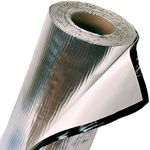
When it comes to automotive insulation, the goal is to enhance the comfort and efficiency of your vehicle by reducing noise, heat, and vibrations. Proper insulation can make a significant difference in your driving experience, making it quieter and more comfortable. To choose the right automotive insulation, you need to understand the key specifications and how they align with your needs. Here are the main factors to consider when selecting automotive insulation.Thermal InsulationThermal insulation is designed to reduce the amount of heat that enters or exits your vehicle. This is important for maintaining a comfortable temperature inside the car, especially during extreme weather conditions. Thermal insulation materials are rated by their R-value, which measures their resistance to heat flow. Higher R-values indicate better insulation. If you live in a region with extreme temperatures, you should opt for insulation with a higher R-value to keep your vehicle's interior comfortable.
Sound DeadeningSound deadening materials are used to reduce the amount of noise that enters the cabin of your vehicle. This is crucial for a quieter and more enjoyable driving experience. Sound deadening is measured by its ability to absorb or block sound waves, often indicated by the Sound Transmission Class (STC) rating. Higher STC ratings mean better noise reduction. If you frequently drive in noisy environments or prefer a quieter cabin, look for materials with higher STC ratings.
Vibration DampingVibration damping materials help to reduce the vibrations that can be felt inside the vehicle, which can improve ride comfort and reduce wear and tear on the vehicle's components. These materials are often rated by their damping coefficient, which measures their ability to absorb vibrations. Higher damping coefficients indicate better vibration reduction. If you drive on rough roads or want to enhance the longevity of your vehicle's parts, choose materials with higher damping coefficients.
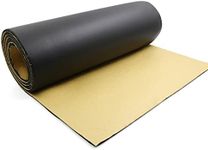
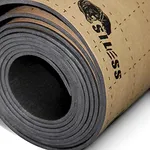
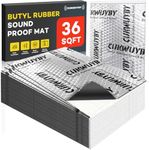
Material TypeAutomotive insulation materials come in various types, including foam, rubber, and fiberglass. Each type has its own set of properties and benefits. Foam is lightweight and easy to install, rubber is durable and offers good sound and vibration reduction, and fiberglass provides excellent thermal insulation. Consider the specific needs of your vehicle and the areas you want to insulate when choosing the material type. For example, foam might be ideal for door panels, while rubber could be better for the floor.
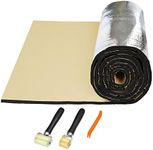
Installation EaseThe ease of installation is an important factor to consider, especially if you plan to install the insulation yourself. Some materials come with adhesive backing for easy application, while others may require more complex installation methods. If you are a DIY enthusiast, look for materials that are easy to cut, fit, and apply. If you prefer professional installation, consult with an expert to choose the best material for your needs.
DurabilityDurability refers to how well the insulation material can withstand the conditions inside your vehicle over time. This includes resistance to moisture, chemicals, and physical wear. Durable materials will last longer and provide consistent performance. If you drive in harsh conditions or want long-lasting insulation, opt for materials that are known for their durability and resistance to environmental factors.