Buying Guide for the Best Automatic Chlorinators
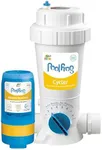
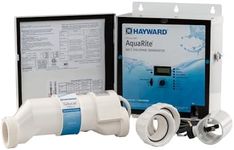
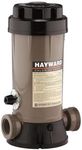
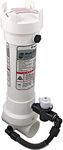
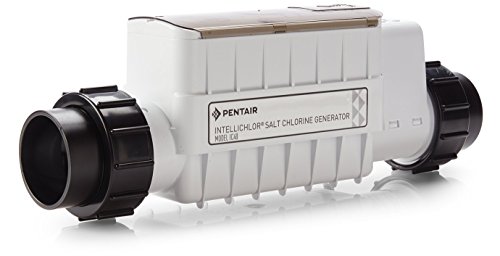
Choosing the right automatic chlorinator for your pool is essential to maintaining clean and safe water. An automatic chlorinator helps to consistently dispense chlorine into your pool, ensuring that the water remains sanitized and free from harmful bacteria and algae. When selecting an automatic chlorinator, it's important to consider several key specifications to ensure you get the best fit for your pool's needs. Understanding these specifications will help you make an informed decision and keep your pool in optimal condition.Type of ChlorinatorAutomatic chlorinators come in two main types: in-line and off-line. In-line chlorinators are installed directly into the pool's plumbing system, making them a more permanent solution. Off-line chlorinators are connected to the pool's plumbing via hoses and can be more easily removed or replaced. The choice between in-line and off-line depends on your pool's plumbing setup and whether you prefer a permanent or flexible installation.
Chlorine CapacityThe chlorine capacity of a chlorinator refers to the amount of chlorine it can hold and dispense over time. This is important because it determines how often you will need to refill the chlorinator. Smaller pools may only require a chlorinator with a lower capacity, while larger pools will benefit from a higher capacity to reduce the frequency of refills. Consider the size of your pool and how often you want to manage chlorine levels when choosing the capacity.
Flow Rate CompatibilityFlow rate compatibility is the rate at which water flows through the chlorinator. This is crucial because it affects how efficiently the chlorinator can dispense chlorine into the pool. Chlorinators are designed to work within specific flow rate ranges, so it's important to match the chlorinator's flow rate with your pool pump's flow rate. If the flow rate is too high or too low, the chlorinator may not function properly. Check your pool pump's specifications and choose a chlorinator that is compatible with that flow rate.
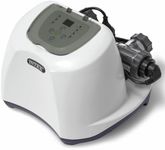
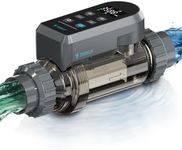
Control FeaturesControl features on an automatic chlorinator allow you to adjust the rate at which chlorine is dispensed into the pool. Some chlorinators offer simple dial controls, while others may have digital interfaces with more precise settings. The level of control you need depends on how hands-on you want to be with managing your pool's chlorine levels. If you prefer a set-and-forget approach, look for a chlorinator with easy-to-use controls that maintain consistent chlorine levels.
Material and DurabilityThe material and durability of a chlorinator are important for ensuring it can withstand the harsh conditions of pool water and the elements. Chlorinators are typically made from plastic or metal, with plastic being more resistant to corrosion from chlorine. Durability is key to ensuring the chlorinator lasts for many seasons without needing frequent replacements. Consider the environment in which your pool is located and choose a chlorinator made from materials that will hold up well over time.
Ease of Installation and MaintenanceEase of installation and maintenance is a practical consideration when choosing an automatic chlorinator. Some models are designed for straightforward installation with minimal tools, while others may require professional installation. Additionally, consider how easy it is to access and refill the chlorinator, as well as any maintenance tasks that may be required. If you prefer a low-maintenance option, look for a chlorinator that is user-friendly and requires minimal upkeep.