Buying Guide for the Best Audiobook Player Device
Choosing the right audiobook player device can greatly enhance your listening experience. The key is to find a device that fits your lifestyle, preferences, and specific needs. Here are some important specifications to consider when selecting an audiobook player device, along with explanations to help you make an informed decision.Battery LifeBattery life refers to how long the device can operate on a single charge. This is important because it determines how long you can listen to audiobooks without needing to recharge. If you often listen to audiobooks for extended periods or while traveling, look for a device with a longer battery life, typically 20 hours or more. For casual listeners who use the device for shorter periods, a battery life of 10-15 hours may be sufficient.
Storage CapacityStorage capacity indicates how much data the device can hold, which translates to how many audiobooks you can store. This is crucial if you prefer to have a large library of audiobooks available offline. Devices with 8GB of storage can hold a few dozen audiobooks, while those with 32GB or more can store hundreds. Consider your listening habits and whether you prefer to have many books available at once or if you are okay with frequently updating your library.
Audio Formats SupportedDifferent audiobook players support different audio formats, such as MP3, AAC, and Audible's proprietary format. This is important because it affects the types of audiobooks you can play on the device. Ensure the player supports the formats of the audiobooks you own or plan to purchase. If you use a specific service like Audible, make sure the device is compatible with their format.
PortabilityPortability refers to the size and weight of the device, which affects how easy it is to carry around. If you plan to use the audiobook player on the go, a smaller, lighter device is preferable. Look for compact designs that can easily fit in your pocket or bag. For home use, portability may be less of a concern, and you might prioritize other features instead.
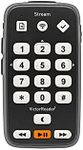
User InterfaceThe user interface includes the controls and display of the device, which impact how easy it is to navigate and use. A good user interface is intuitive and user-friendly, with clear buttons and a readable screen. If you prefer physical buttons over touchscreens, or vice versa, choose a device that matches your preference. Consider how easy it is to browse your library, adjust settings, and control playback.
Connectivity OptionsConnectivity options such as Bluetooth, Wi-Fi, and USB are important for transferring audiobooks to the device and for listening. Bluetooth allows for wireless headphones or speakers, while Wi-Fi can enable direct downloads from audiobook services. USB connections are useful for transferring files from a computer. Choose a device with the connectivity options that best suit your listening habits and technical setup.
DurabilityDurability refers to how well the device can withstand everyday wear and tear. This is important if you plan to use the audiobook player in various environments, such as while commuting, exercising, or traveling. Look for devices with sturdy construction, and consider features like water resistance if you need extra protection. If you primarily use the device at home, durability may be less critical.
Additional FeaturesAdditional features can enhance your listening experience. These might include bookmarking, sleep timers, variable playback speeds, and voice control. Bookmarking allows you to easily return to your place in an audiobook, while sleep timers can automatically turn off the device after a set period. Variable playback speeds let you listen faster or slower, and voice control can provide hands-free operation. Consider which features are important to you and choose a device that offers them.