Buying Guide for the Best Audio Amplifiers
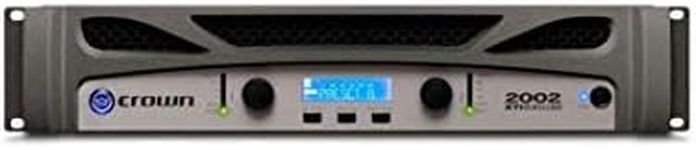
Choosing the right audio amplifier can significantly enhance your listening experience, whether you're setting up a home theater, a stereo system, or a professional audio setup. The key to finding the best amplifier for your needs is understanding the various specifications and how they impact performance. By considering your specific requirements and preferences, you can make an informed decision that will provide you with the best sound quality and functionality.Power Output (Wattage)Power output, measured in watts, indicates how much power the amplifier can deliver to your speakers. This spec is crucial because it affects the volume and clarity of the sound. Generally, higher wattage means louder and clearer sound, but it's important to match the amplifier's power output with your speakers' power handling capacity. For small rooms or casual listening, 20-50 watts per channel may suffice. For larger rooms or more demanding listening environments, 100 watts or more per channel might be necessary. Consider your room size and listening habits when choosing the right power output.
ImpedanceImpedance, measured in ohms, refers to the resistance the amplifier will face from the speakers. This spec is important because it affects the compatibility between the amplifier and the speakers. Most amplifiers and speakers are designed to work with an impedance of 4, 6, or 8 ohms. Ensure that the amplifier's impedance rating matches or is compatible with your speakers to avoid damaging either component and to ensure optimal performance. If you have multiple speakers or plan to expand your system, consider an amplifier that can handle a range of impedances.
Total Harmonic Distortion (THD)Total Harmonic Distortion (THD) measures the amount of distortion the amplifier introduces to the audio signal, expressed as a percentage. Lower THD values indicate cleaner and more accurate sound reproduction. For high-fidelity audio, look for an amplifier with a THD of 0.1% or lower. If you're less concerned with audiophile-level precision, a THD of up to 1% may be acceptable. Your choice should depend on how critical you are about sound quality and the type of audio content you typically enjoy.
Signal-to-Noise Ratio (SNR)The Signal-to-Noise Ratio (SNR) measures the level of the desired audio signal compared to the level of background noise, expressed in decibels (dB). A higher SNR indicates a cleaner sound with less background noise. For high-quality audio, look for an amplifier with an SNR of 90 dB or higher. If you're using the amplifier in a less critical listening environment, such as a casual home setup, an SNR of 80 dB or higher may be sufficient. Consider how much background noise you're willing to tolerate in your listening experience.
Inputs and OutputsThe number and types of inputs and outputs determine the amplifier's connectivity options. This spec is important because it affects how many and what types of audio sources you can connect to the amplifier. Common inputs include RCA, XLR, and digital inputs like optical or coaxial. Outputs may include speaker terminals, preamp outputs, and headphone jacks. Ensure the amplifier has enough inputs and outputs to accommodate your current and future audio equipment. Think about the devices you plan to connect, such as CD players, turntables, or streaming devices, and choose an amplifier that offers the necessary connections.
Size and DesignThe size and design of the amplifier can impact where and how you place it in your setup. This spec is important for ensuring the amplifier fits in your available space and matches your aesthetic preferences. Amplifiers come in various sizes, from compact models that fit on a shelf to larger units that may require dedicated space. Consider the dimensions of the amplifier and where you plan to place it. Additionally, think about the design and whether it complements your other audio equipment and room decor. Choose an amplifier that fits both your space and style requirements.
Cooling SystemThe cooling system in an amplifier helps manage heat generated during operation. This spec is important because excessive heat can affect performance and longevity. Amplifiers may use passive cooling (heat sinks) or active cooling (fans). Passive cooling is quieter but may require more space for adequate ventilation. Active cooling is more effective at managing heat but can introduce fan noise. Consider your environment and how much noise you're willing to tolerate. If you plan to use the amplifier in a quiet setting, passive cooling might be preferable. For high-power setups or professional use, active cooling may be necessary.