We Use CookiesWe use cookies to enhance the security, performance, functionality and for analytical and promotional activities. By continuing to browse this site you are agreeing to our privacy policy

Best Attic Gable Fans

From leading brands and best sellers available on the web.
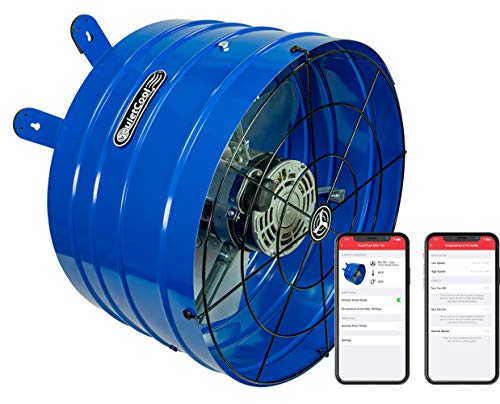
#1

Winner

Quietcool AFG SMT ES-3.0 Smart Atti

Quietcool

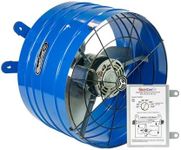
Quietcool AFG SMT ES-3.0 Smart Attic Fan for Gable Vents - Up to 2801 CFM - As low as 22 Watts - Smart App Control - Thermostat and Humidistat - 20ft Power Cord - Plug-and-play - Three Speed

View on Amazon
#2
Quietcool AFG SMT PRO-2.0 Smart Att

Quietcool

Quietcool AFG SMT PRO-2.0 Smart Attic Fan for Gable Vents - 1945 CFM - Smart App Control - Thermostat & Humidistat - 20ft Power Cord - Plug-and-play - Two Speed
View on Amazon
#3
QuietCool AFG SLR-40 Solar Attic Fa

Quietcool

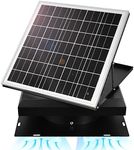
QuietCool AFG SLR-40 Solar Attic Fan for Gable Vents - 40 Watt Adjustable Panel - Included AC/DC Inverter for 24/7 Runtime - Thermostat Controlled

View on Amazon
#4
Quietcool AFG SMT PRO-3.0 Smart Att

Quietcool

9%OFF

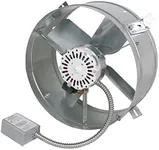
Quietcool AFG SMT PRO-3.0 Smart Attic Fan for Gable Vents - 2940 CFM - Smart App Control - Thermostat and Humidistat - 20ft Power Cord - Plug-and-play - Two Speed
View on Amazon
#5
Cool Attic CX2500 Gable Mount Power

Cool Attic

Cool Attic CX2500 Gable Mount Power Attic Ventilator with 3.0-Amp 60-Hz Motor and 14-Inch Blade

View on Amazon
#6
Quietcool AFG PRO-2.0 Attic Fan for

Quietcool

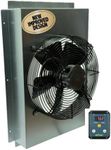
Quietcool AFG PRO-2.0 Attic Fan for Gable Vents - 1945 CFM - Adjustable Thermostat - 20ft Power Cord - Plug-and-play - Two Speed Capable
View on Amazon
#7
Gable Mount Attic Fan with Adjustab

Advanced Attic Fans

Gable Mount Attic Fan with Adjustable Thermostat | Custom Housing Allows For Maximum Airflow Through Gable Vent And Ultra Quiet Operation | Covers Attics Up To 2800 SQFT | Plug And Play | 1350 CFM

View on Amazon
#8
Cool Attic CX1500 Gable Mount Power

Cool Attic

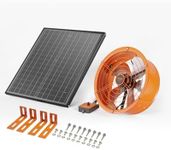
Cool Attic CX1500 Gable Mount Power Attic Ventilator with 2.6-Amp 60-Hz Motor and 14-Inch Blade
View on Amazon
#9
VEVOR Gable Mount Fan, 14 Inch Sola

VEVOR

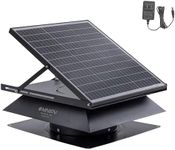
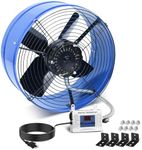
VEVOR Gable Mount Fan, 14 Inch Solar Power Attic Exhaust Fan with Adjustable Thermostat & Outer Mesh, 1300 CFM House Ventilator Cool Upto 1850 Sq.Ft, Quiet Ventilation for Roof, Garage, Shop, Black
View on Amazon
#10
15 Inch Gable Vent Fan with Thermos

BINGLUX

15 Inch Gable Vent Fan with Thermostat - 1300CFM Attic Fan with Thermostat Covers 1850 Sq.ft, Low Noise Heavy Duty Attic Gable Fans with 20FT Power Cord & 60Hz Motor for Home Garage Shed Greenhouse

View on Amazon
How do we rank products for you?

Our technology thoroughly searches through the online shopping world, reviewing hundreds of sites. We then process and analyze this information, updating in real-time to bring you the latest top-rated products. This way, you always get the best and most current options available.

headphones-stars

Most Popular Categories Right Now

Buying Guide for the Best Attic Gable Fans

Choosing the right attic gable fan is crucial for maintaining proper ventilation in your attic, which can help regulate temperature, reduce moisture, and prevent damage to your home. When selecting an attic gable fan, it's important to consider several key specifications to ensure you get the best fit for your needs. Understanding these specifications will help you make an informed decision and ensure that your attic remains well-ventilated and energy-efficient.
CFM (Cubic Feet per Minute)CFM measures the volume of air the fan can move per minute. This is important because it determines how effectively the fan can ventilate your attic. For smaller attics, a fan with a lower CFM (around 800-1200) may be sufficient. For larger attics, you may need a fan with a higher CFM (1500-3000) to ensure adequate ventilation. To pick the right CFM, consider the size of your attic and the amount of ventilation required to maintain a comfortable temperature and prevent moisture buildup.
Noise LevelThe noise level of an attic gable fan is measured in decibels (dB). This is important because a noisy fan can be disruptive, especially if your attic is near living spaces. Fans with lower noise levels (below 50 dB) are generally quieter and more suitable for homes where noise is a concern. If noise is not a major issue, you may opt for a fan with a higher noise level. Consider your tolerance for noise and the proximity of the attic to living areas when choosing the right noise level for your fan.
Thermostat and Humidistat ControlsThermostat and humidistat controls allow the fan to automatically turn on and off based on temperature and humidity levels. This is important for maintaining optimal attic conditions without manual intervention. Fans with built-in thermostats and humidistats can help save energy and ensure your attic remains well-ventilated. If you live in an area with extreme temperatures or high humidity, these controls can be particularly beneficial. Choose a fan with these features if you want automated control over your attic's environment.
Energy EfficiencyEnergy efficiency refers to how much electricity the fan uses to operate. This is important because a more energy-efficient fan can help reduce your overall energy costs. Look for fans with energy-efficient motors and features like variable speed settings, which can help optimize performance while minimizing energy consumption. If you are concerned about energy usage and want to keep your utility bills low, prioritize fans with higher energy efficiency ratings.
Durability and MaterialThe durability and material of the fan determine how long it will last and how well it can withstand the conditions in your attic. This is important because a durable fan will require less maintenance and replacement over time. Fans made from high-quality materials like galvanized steel or heavy-duty plastic are generally more durable. Consider the environmental conditions in your attic, such as temperature fluctuations and humidity, and choose a fan made from materials that can withstand these conditions.
Installation and MountingThe ease of installation and the type of mounting required for the fan are important factors to consider. Some fans are designed for easy DIY installation, while others may require professional installation. This is important because a fan that is difficult to install can lead to additional costs and complications. If you are comfortable with DIY projects, look for fans with straightforward installation instructions and mounting hardware. If not, consider hiring a professional to ensure the fan is installed correctly and safely.