We Use CookiesWe use cookies to enhance the security, performance, functionality and for analytical and promotional activities. By continuing to browse this site you are agreeing to our privacy policy

Best Astronomical Binocular

From leading brands and best sellers available on the web.
#1

Winner

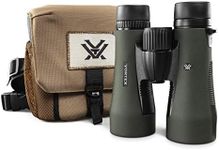
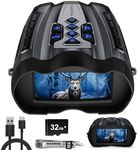
Vortex Optics Diamondback HD 10x50

Vortex

Vortex Optics Diamondback HD 10x50 Binoculars - HD Optical System, Non-slip Grip, Waterproof, Fogproof, Shockproof, Included GlassPak - Unlimited, Unconditional Warranty
View on Amazon
#2
Vortex Optics Diamondback HD 12x50

Vortex

Vortex Optics Diamondback HD 12x50 Binoculars - HD Optical System, Non-slip Grip, Waterproof, Fogproof, Shockproof, Included GlassPak - Unlimited, Unconditional Warranty

View on Amazon
#3
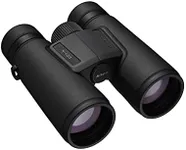
Nikon MONARCH M7 10x42 Binocular |W

Nikon

19%OFF

Nikon MONARCH M7 10x42 Binocular |Waterproof, fogproof, rubber-armored Full-Size Binocular with ED glass & wide field of view, oil & water repellent coating & locking diopter |Official Nikon USA Model

View on Amazon
#4
Vortex Optics Crossfire HD 8x42 Bin

Vortex

Vortex Optics Crossfire HD 8x42 Binoculars - HD Optical System, Tripod Adaptable, Rubber Armor, Waterproof, Fogproof, Shockproof, Included GlassPak - Unlimited, Unconditional Warranty

View on Amazon
#5
Nikon Monarch M5 8x42 Binocular | W

Nikon

18%OFF

Nikon Monarch M5 8x42 Binocular | Waterproof, fogproof, Rubber-Armored Binocular with ED Glass, Long Eye Relief | Official Nikon USA Model

View on Amazon
#6
Vortex Optics Kaibab HD Binoculars

Vortex

Vortex Optics Kaibab HD Binoculars 18x56

View on Amazon
#7
Nikon STABILIZED 10x25 Binoculars -

Nikon

9%OFF

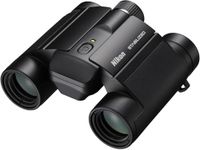
Nikon STABILIZED 10x25 Binoculars - Optical Image Stabilization, Blur-Free View, Waterproof Design, 10x Magnification for Hunting, Birdwatching & Outdoor Activities

View on Amazon
#8
Nikon PROSTAFF P3 10x42 Binocular |

Nikon

14%OFF

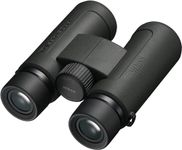
Nikon PROSTAFF P3 10x42 Binocular | Waterproof, fogproof, Rubber-Armored Full-Size Binocular, Wide Field of View & Long Eye Relief | Official Nikon USA Model

View on Amazon
#9
Bushnell H2O Xtreme 10x42 Compact W

Bushnell

14%OFF

Bushnell H2O Xtreme 10x42 Compact Waterproof Binoculars - Fully Multi-Coated Lenses, Anti-Fog, High-Performance Optics for Hunting, Birdwatching, Fishing, Boating, and Travel

View on Amazon
#10
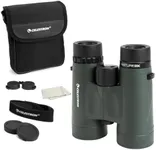
Celestron – TrailSeeker ED 8x42 Bin

Celestron

12%OFF

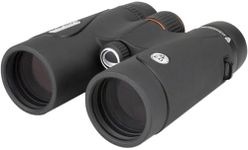
Celestron – TrailSeeker ED 8x42 Binoculars – Compact ED Binocular for Birdwatching and Outdoor Activities – Binocular with ED Objective Lenses – Fully Broadband Multi-Coated Optics – BaK4 Roof Prism.
View on Amazon
How do we rank products for you?

Our technology thoroughly searches through the online shopping world, reviewing hundreds of sites. We then process and analyze this information, updating in real-time to bring you the latest top-rated products. This way, you always get the best and most current options available.

headphones-stars

Most Popular Categories Right Now

Buying Guide for the Best Astronomical Binocular

Choosing the right astronomical binoculars can greatly enhance your stargazing experience. Unlike telescopes, binoculars are more portable, easier to use, and provide a wider field of view, making them ideal for beginners and casual observers. When selecting binoculars for astronomy, it's important to consider several key specifications to ensure you get the best fit for your needs. Understanding these specs will help you make an informed decision and enjoy the night sky to its fullest.
MagnificationMagnification refers to how much closer an object appears through the binoculars compared to the naked eye. For astronomical binoculars, magnifications between 7x and 15x are common. Higher magnification allows you to see more detail, but it also narrows the field of view and can make the image shakier. If you plan to hand-hold your binoculars, a lower magnification (7x to 10x) is more manageable. For higher magnifications (above 10x), consider using a tripod to stabilize the image.
Objective Lens DiameterThe objective lens diameter is the size of the front lenses, measured in millimeters. This spec is crucial because larger lenses gather more light, which is essential for viewing faint celestial objects. Common sizes for astronomical binoculars range from 50mm to 100mm. Larger diameters (70mm to 100mm) are better for stargazing as they provide brighter and clearer images, but they also make the binoculars heavier. Choose a size that balances light-gathering ability with portability and ease of use.
Field of ViewField of view (FOV) is the width of the area you can see through the binoculars, usually measured in degrees or feet at a specific distance. A wider FOV is beneficial for scanning the night sky and locating objects. Binoculars with a FOV of 5 to 7 degrees are ideal for astronomy. If you enjoy observing large star clusters or the Milky Way, opt for a wider FOV. For detailed views of planets or the moon, a narrower FOV is acceptable.
Exit PupilThe exit pupil is the diameter of the beam of light that exits the eyepiece, calculated by dividing the objective lens diameter by the magnification. This spec is important because it affects how bright the image appears. For astronomy, an exit pupil of 5mm to 7mm is ideal, as it matches the dilation of the human eye in low light conditions. If you plan to use the binoculars in very dark environments, a larger exit pupil will provide a brighter image.
Prism TypeBinoculars use prisms to correct the orientation of the image. The two main types are Porro prisms and roof prisms. Porro prism binoculars are generally preferred for astronomy because they offer better depth perception and a wider field of view. They are also typically more affordable. Roof prism binoculars are more compact and durable but can be more expensive. Choose Porro prisms for a better stargazing experience unless portability is a major concern.
CoatingsLens coatings improve light transmission and reduce reflections, resulting in brighter and clearer images. Fully multi-coated lenses are the best option for astronomy, as they provide the highest light transmission. If you are serious about stargazing, look for binoculars with fully multi-coated optics. Single-coated or multi-coated lenses are less effective but can still be suitable for casual use.
Weight and ErgonomicsThe weight and ergonomics of binoculars affect how comfortable they are to use, especially for extended periods. Heavier binoculars can be tiring to hold, so consider models with a comfortable grip and balanced weight distribution. If you plan to observe for long sessions, look for binoculars with features like adjustable eyecups and a tripod mount. Choose a pair that feels comfortable in your hands and is easy to handle.