Buying Guide for the Best Armless Office Chairs
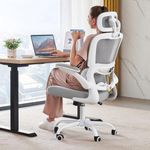
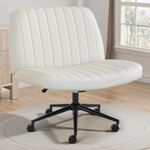
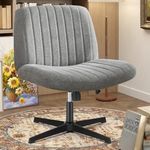
Choosing the right armless office chair is crucial for your comfort and productivity, especially if you spend long hours working at a desk. Armless chairs offer more flexibility and can be a great option for smaller spaces or for those who prefer a minimalist design. When selecting an armless office chair, consider the following key specifications to ensure you find the best fit for your needs.ErgonomicsErgonomics refers to how well the chair supports your body, particularly your back, neck, and hips. A good ergonomic chair will help prevent discomfort and long-term health issues. Look for chairs with adjustable features such as seat height, lumbar support, and tilt tension. If you spend a lot of time sitting, prioritize a chair with strong ergonomic features to maintain good posture and reduce strain.
Seat Height AdjustmentSeat height adjustment allows you to change the height of the chair to match your desk and your body. This is important for maintaining proper posture and ensuring your feet are flat on the floor. Most office chairs offer a range of height adjustments, typically between 16 to 21 inches. Choose a chair that allows you to adjust the seat height so that your thighs are parallel to the floor and your arms are at a comfortable angle for typing.
Seat Depth and WidthSeat depth and width determine how much space you have to sit comfortably. A seat that is too small can be uncomfortable, while one that is too large can make it difficult to sit properly. The seat depth should allow you to sit with your back against the backrest while leaving about 2-4 inches between the back of your knees and the seat. The width should be wide enough to support your hips without feeling cramped. Consider your body size and choose a chair that provides adequate space for comfortable seating.
Lumbar SupportLumbar support is the support given to your lower back, which is crucial for preventing back pain. A good office chair should have adjustable lumbar support that can be positioned to fit the natural curve of your spine. This helps maintain the natural S-shape of your spine and reduces the risk of lower back strain. If you have a history of back problems or spend long hours sitting, prioritize a chair with strong lumbar support.
Material and PaddingThe material and padding of the chair affect both comfort and durability. Common materials include mesh, fabric, and leather. Mesh is breathable and keeps you cool, fabric is soft and comfortable, and leather is durable and easy to clean. The padding should be thick enough to provide comfort but not so soft that it loses shape quickly. Consider your personal preference for feel and look, as well as how long you will be sitting in the chair each day.
Swivel and MobilitySwivel and mobility features allow you to move around your workspace without straining. A chair that swivels 360 degrees and has smooth-rolling casters can enhance your efficiency and reduce the need to stretch or twist awkwardly. If you have a large desk or need to move frequently, look for a chair with good swivel and mobility features. Ensure the casters are suitable for your floor type to prevent damage and ensure smooth movement.
Build Quality and DurabilityBuild quality and durability determine how long the chair will last and how well it will hold up to daily use. Look for chairs made from high-quality materials with sturdy construction. Check the weight capacity to ensure it can support your body weight. A well-built chair will provide better support and last longer, making it a worthwhile investment. If you plan to use the chair frequently, prioritize durability to avoid the need for frequent replacements.