Buying Guide for the Best Armband Heart Rate Monitor
Choosing the right armband heart rate monitor can significantly enhance your fitness routine by providing accurate and real-time data about your heart rate. This information can help you optimize your workouts, track your progress, and ensure you are exercising within your target heart rate zone. To make an informed decision, it's important to understand the key specifications and how they align with your fitness goals and lifestyle.AccuracyAccuracy is crucial for a heart rate monitor because it ensures the data you receive is reliable. Accurate readings help you maintain the right intensity during workouts and monitor your cardiovascular health effectively. Look for monitors that use advanced sensors and algorithms to provide precise measurements. If you are a serious athlete or have specific health goals, prioritize models known for their high accuracy.
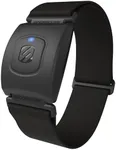
Comfort and FitSince you'll be wearing the armband during workouts, comfort and fit are essential. The monitor should be lightweight, adjustable, and made from breathable materials to prevent irritation. Consider trying on different models to find one that feels secure but not too tight. If you plan to wear it for extended periods, comfort becomes even more important.
Battery LifeBattery life determines how long you can use the monitor before needing to recharge or replace the battery. Longer battery life is convenient, especially for long workouts or multi-day events. Monitors with rechargeable batteries are more eco-friendly and cost-effective in the long run. Choose a model with a battery life that matches your usage patterns.
ConnectivityConnectivity refers to how the monitor syncs with other devices, such as smartphones, fitness apps, or smartwatches. Bluetooth and ANT+ are common connectivity options. Good connectivity allows you to easily transfer data, track your progress, and integrate with other fitness tools. If you use multiple devices or apps, ensure the monitor is compatible with them.
Water ResistanceWater resistance is important if you plan to use the monitor during activities where it might get wet, such as running in the rain or swimming. Water-resistant models can withstand exposure to water without getting damaged. Check the water resistance rating to ensure it meets your needs, especially if you engage in water sports.
Data Storage and AnalysisSome monitors can store data and provide detailed analysis of your heart rate trends over time. This feature is useful for tracking long-term progress and making informed adjustments to your training. Look for models that offer comprehensive data storage and easy-to-understand analysis tools. If you are serious about tracking your fitness journey, this feature can be very beneficial.
Ease of UseEase of use includes how simple it is to set up, operate, and maintain the monitor. User-friendly interfaces, clear instructions, and intuitive controls make the experience more enjoyable. If you are not tech-savvy, look for models that are straightforward and easy to navigate. This ensures you can focus on your workouts rather than struggling with the device.