Buying Guide for the Best AR optics
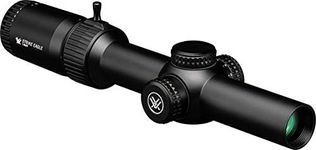
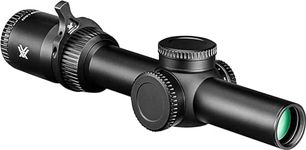
When it comes to choosing AR optics, it's essential to understand that the right optic can significantly enhance your shooting experience. AR optics come in various types and with different features, so it's important to consider your specific needs and preferences. Whether you're using your AR for hunting, competitive shooting, or home defense, the right optic can make a big difference in accuracy and ease of use. Here are some key specifications to consider when selecting AR optics and how to navigate them to find the best fit for you.MagnificationMagnification refers to how much closer the target appears through the optic compared to the naked eye. This is important because it affects how well you can see and engage targets at different distances. Magnification values can range from 1x (no magnification) to higher values like 4x, 6x, or even 10x. For close-range shooting or home defense, a lower magnification (1x to 3x) is ideal as it allows for quick target acquisition. For medium to long-range shooting, higher magnification (4x and above) is beneficial as it helps in identifying and hitting distant targets more accurately.
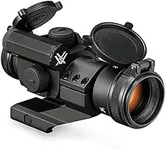
Reticle TypeThe reticle is the aiming point you see when looking through the optic. Reticles come in various designs, such as dot, crosshair, or BDC (Bullet Drop Compensator). The choice of reticle is important because it affects how you aim and shoot. Simple dot reticles are great for quick target acquisition and are often used in red dot sights. Crosshair reticles are more traditional and can be used for precise aiming. BDC reticles are useful for long-range shooting as they help compensate for bullet drop over distance. Choose a reticle based on your shooting style and the distances you plan to engage.
Objective Lens SizeThe objective lens size is the diameter of the front lens of the optic, usually measured in millimeters. This spec is important because it affects the amount of light that enters the optic, impacting image brightness and clarity. Larger objective lenses (e.g., 40mm or more) allow more light in, which is beneficial in low-light conditions. However, they can also make the optic bulkier. Smaller objective lenses (e.g., 20mm to 32mm) are more compact and lighter, making them suitable for quick, close-range shooting. Consider the environments you'll be shooting in to determine the right objective lens size for you.
Eye ReliefEye relief is the distance between your eye and the optic at which you can see the full field of view. This is important for comfort and safety, especially when shooting with high-recoil firearms. Longer eye relief (e.g., 3 inches or more) is beneficial as it allows you to maintain a safe distance from the optic, reducing the risk of injury from recoil. Shorter eye relief (e.g., 2 inches or less) can be acceptable for low-recoil firearms or when using optics with low magnification. Choose an optic with eye relief that matches your firearm's recoil and your shooting comfort.
Durability and Build QualityDurability and build quality refer to how well the optic can withstand rough handling, recoil, and environmental conditions. This is important because a durable optic will last longer and perform reliably in various situations. Look for optics made from high-quality materials like aircraft-grade aluminum and those that are shockproof, waterproof, and fog-proof. If you plan to use your AR in harsh conditions or for tactical purposes, prioritize optics with robust build quality. For casual or range shooting, you may not need the highest durability, but it's still good to have a well-built optic.
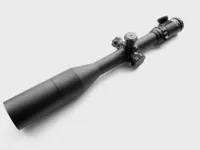
Adjustment TurretsAdjustment turrets are the knobs on the optic that allow you to adjust the point of impact for windage (left/right) and elevation (up/down). This is important for zeroing your optic and making precise adjustments based on shooting conditions. Turrets can be capped or exposed, with exposed turrets being easier to adjust on the fly. For tactical or long-range shooting, exposed turrets with clear, tactile clicks are beneficial. For hunting or casual shooting, capped turrets can prevent accidental adjustments. Choose turrets based on how often you need to make adjustments and your shooting environment.