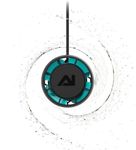
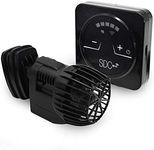
Buying Guide for the Best Aquarium Wave Maker
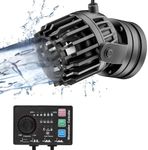
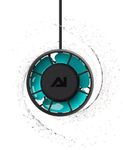
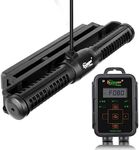
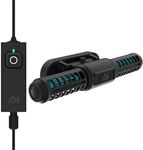
Choosing the right aquarium wave maker is essential for maintaining a healthy and vibrant aquatic environment. A wave maker helps to simulate natural water currents, which can improve water quality, oxygenation, and the overall well-being of your fish and corals. When selecting a wave maker, it's important to consider several key specifications to ensure it meets the needs of your specific aquarium setup.Flow RateFlow rate, measured in gallons per hour (GPH) or liters per hour (LPH), indicates how much water the wave maker can move. This is crucial because different types of aquariums require different flow rates to maintain optimal conditions. For example, reef tanks with corals typically need higher flow rates to mimic ocean currents, while freshwater tanks with delicate plants and fish may require gentler flows. To choose the right flow rate, consider the size of your tank and the needs of its inhabitants. A general rule of thumb is to aim for a flow rate that can turn over the entire volume of your tank 10-20 times per hour for reef tanks and 4-10 times per hour for freshwater tanks.
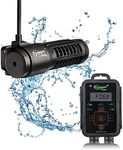
AdjustabilityAdjustability refers to the ability to control the speed and direction of the water flow. This feature is important because it allows you to customize the water movement to suit the specific needs of your aquarium. Some wave makers offer multiple speed settings and programmable modes, which can create varying flow patterns and simulate natural conditions more accurately. If you have a diverse range of species in your tank, or if you plan to change your setup in the future, an adjustable wave maker can provide the flexibility you need.
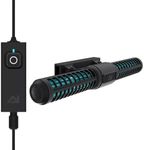
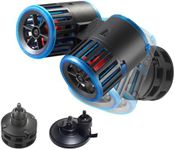
Size and Mounting OptionsThe size of the wave maker and its mounting options are important considerations, especially if you have a smaller tank or limited space. Compact wave makers are ideal for smaller tanks or for creating discreet water movement without taking up too much space. Additionally, look for wave makers with versatile mounting options, such as magnetic mounts or suction cups, which can make installation easier and allow for more precise placement within the tank. Choose a wave maker that fits well within your tank's dimensions and can be easily positioned to achieve the desired flow pattern.
Noise LevelNoise level is an important factor, particularly if your aquarium is located in a living space where excessive noise could be disruptive. Some wave makers are designed to operate more quietly than others, which can be a significant advantage for maintaining a peaceful environment. When evaluating noise levels, consider both the operational noise and any potential vibrations that could be transmitted through the tank. Reading user reviews and manufacturer specifications can help you identify quieter models that will keep your aquarium serene.
Durability and MaintenanceDurability and ease of maintenance are key factors to consider for long-term use. A durable wave maker made from high-quality materials will be more resistant to wear and tear, ensuring reliable performance over time. Additionally, wave makers that are easy to disassemble and clean can save you time and effort in maintaining your aquarium. Look for models with a good reputation for longevity and minimal maintenance requirements, as this will help you keep your tank in optimal condition with less hassle.
Power ConsumptionPower consumption is an important consideration, especially if you are concerned about energy efficiency and operating costs. Wave makers with lower power consumption can help reduce your electricity bill while still providing adequate water movement for your tank. When comparing models, check the wattage and consider how much energy the wave maker will use over time. Opt for an energy-efficient model that meets your aquarium's needs without significantly increasing your energy usage.