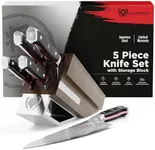
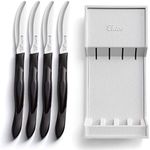
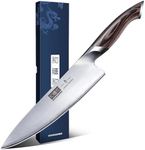
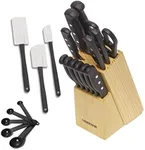
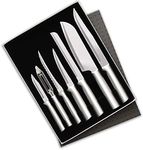
Buying Guide for the Best American Made Kitchen Knife
Choosing the right American-made kitchen knife involves understanding your specific needs and preferences. A good kitchen knife can make food preparation easier, safer, and more enjoyable. When selecting a knife, consider the type of food you will be preparing most often, your hand size and strength, and how much maintenance you are willing to perform. Here are some key specifications to consider when choosing an American-made kitchen knife.Blade MaterialThe blade material is crucial as it affects the knife's sharpness, durability, and ease of maintenance. Common materials include stainless steel, high-carbon steel, and ceramic. Stainless steel is resistant to rust and easy to maintain, making it a good all-around choice. High-carbon steel is known for its sharpness and edge retention but requires more maintenance to prevent rust. Ceramic blades are extremely sharp and lightweight but can be brittle and prone to chipping. Choose a material based on your willingness to maintain the knife and the type of cutting tasks you perform.
Blade LengthBlade length determines the knife's versatility and ease of use. Common lengths range from 6 to 12 inches. Shorter blades (6-8 inches) are easier to control and are ideal for tasks like chopping vegetables and slicing smaller items. Longer blades (9-12 inches) are better for slicing larger items like meat and bread. Consider the size of your kitchen and the types of food you prepare to determine the best blade length for you.
Blade ShapeThe shape of the blade affects how the knife performs different cutting tasks. Common shapes include chef's knife, santoku, and paring knife. A chef's knife has a curved blade that allows for a rocking motion, making it versatile for chopping, slicing, and dicing. A santoku knife has a straighter edge and is great for precision tasks like thin slicing and fine chopping. A paring knife has a small, pointed blade ideal for peeling and intricate work. Choose a blade shape based on the primary tasks you need the knife for.
Handle MaterialThe handle material affects the knife's comfort, grip, and durability. Common materials include wood, plastic, and composite. Wood handles offer a traditional look and comfortable grip but require more maintenance to prevent damage from moisture. Plastic handles are durable, easy to clean, and often have a textured surface for a secure grip. Composite handles combine the best of both worlds, offering durability and comfort. Choose a handle material that feels comfortable in your hand and suits your maintenance preferences.
Weight and BalanceThe weight and balance of a knife affect how it feels and performs in your hand. A well-balanced knife will feel comfortable and stable, making it easier to control. Heavier knives can provide more cutting power, while lighter knives are easier to maneuver. Test the knife in your hand to see how it feels and choose one that offers a good balance between weight and control for your specific needs.
Edge TypeThe edge type determines how the knife cuts and how often it needs to be sharpened. Common edge types include straight, serrated, and granton. Straight edges are versatile and can be easily sharpened, making them ideal for most tasks. Serrated edges are great for cutting through tough or crusty surfaces like bread but are harder to sharpen. Granton edges have small indentations that reduce friction and prevent food from sticking, making them ideal for slicing. Choose an edge type based on the types of food you prepare and your sharpening preferences.