Buying Guide for the Best Alto Saxophone For Beginners
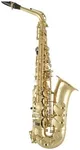
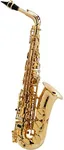
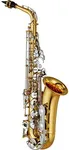
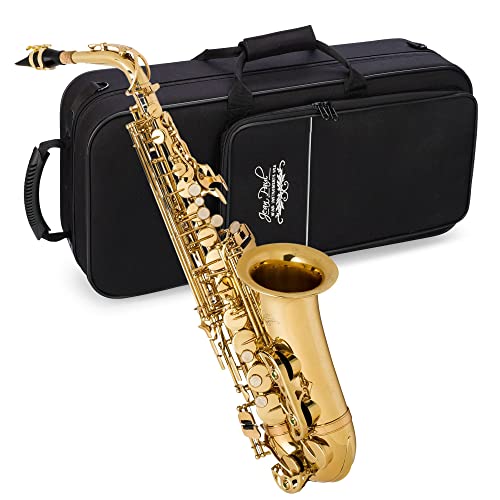
Choosing the right alto saxophone for a beginner can be a rewarding experience. The right instrument can make learning easier and more enjoyable. When selecting an alto saxophone, it's important to consider several key specifications that will impact the playability, sound quality, and overall experience for the beginner. Understanding these specifications will help you make an informed decision and find the best fit for the new saxophonist.MaterialThe material of the saxophone affects its durability and sound quality. Most beginner saxophones are made from brass, which is then lacquered or plated. Lacquered brass is common and provides a warm sound, while silver or gold plating can offer a brighter tone. For beginners, a lacquered brass saxophone is usually sufficient as it balances durability and sound quality well.
Key MechanismThe key mechanism refers to the design and layout of the keys on the saxophone. A well-designed key mechanism is crucial for ease of play and comfort. Beginners should look for saxophones with keys that are easy to press and have a smooth action. This will make learning fingerings and playing notes more comfortable and less frustrating.
MouthpieceThe mouthpiece is where the player blows into the saxophone, and it significantly affects the instrument's sound and playability. For beginners, a standard mouthpiece that comes with the saxophone is usually adequate. However, as the player progresses, they might want to experiment with different mouthpieces to find one that suits their playing style and sound preference.
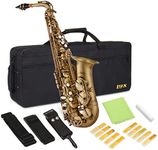
Neck StrapA neck strap supports the weight of the saxophone and helps the player hold it comfortably. A good neck strap is adjustable and padded for comfort. Beginners should ensure that the neck strap is comfortable and provides adequate support, as this will help them maintain proper posture and reduce fatigue during practice.
CaseThe case protects the saxophone when it's not in use and during transport. A sturdy, well-padded case is essential to keep the instrument safe from damage. Beginners should look for a case that is easy to carry and provides good protection, as this will help ensure the longevity of their saxophone.
ReedsReeds are thin pieces of cane that vibrate to produce sound when the player blows into the mouthpiece. The strength of the reed is measured in numbers, with lower numbers being softer and easier to play, and higher numbers being harder and producing a richer sound. Beginners should start with softer reeds (strength 1.5 to 2.5) as they are easier to play and require less effort to produce sound.
WeightThe weight of the saxophone can affect the player's comfort, especially for younger or smaller beginners. Lighter saxophones are easier to handle and less tiring to play. When choosing a saxophone, consider the player's size and strength to ensure they can comfortably hold and play the instrument for extended periods.