Buying Guide for the Best Airpod Alternative
Choosing the right AirPod alternative can be a bit overwhelming given the numerous options available in the market. The key is to understand your specific needs and preferences, and then match those with the features offered by different models. Here are some important specifications to consider when selecting the best AirPod alternative for you.Sound QualitySound quality is crucial for a satisfying listening experience. It encompasses clarity, bass, treble, and overall balance of the audio. High-end models often offer superior sound quality with rich bass and clear highs, while mid-range options provide good sound for everyday use. If you are an audiophile or enjoy high-fidelity music, look for models with advanced audio technology and high-resolution audio support. For casual listeners, a balanced sound profile will suffice.
Battery LifeBattery life determines how long you can use the earbuds before needing to recharge them. This is particularly important if you use them for extended periods, such as during long commutes or workouts. Battery life can range from a few hours to over 10 hours on a single charge. Additionally, consider the battery life of the charging case, which can provide multiple additional charges. Choose a model with a battery life that matches your usage patterns.
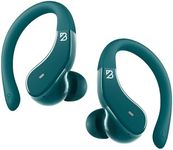
Comfort and FitComfort and fit are essential for ensuring that the earbuds stay in place and feel comfortable during prolonged use. Earbuds come in various shapes and sizes, and some include multiple ear tip sizes to ensure a secure fit. If you plan to use them during physical activities, look for models with a snug fit and possibly ear hooks or wings for added stability. For general use, prioritize comfort to avoid ear fatigue.
ConnectivityConnectivity refers to how the earbuds connect to your devices, typically via Bluetooth. The latest Bluetooth versions offer better range, stability, and energy efficiency. Some models also support multipoint connectivity, allowing you to connect to multiple devices simultaneously. Ensure the earbuds are compatible with your devices and consider features like quick pairing and low latency for a seamless experience.
Noise CancellationNoise cancellation technology helps to reduce or eliminate background noise, providing a more immersive listening experience. There are two types: active noise cancellation (ANC) and passive noise isolation. ANC uses microphones to counteract external sounds, while passive noise isolation relies on the physical design to block out noise. If you frequently use earbuds in noisy environments, ANC can be very beneficial. For quieter settings, passive noise isolation may be sufficient.
Durability and Water ResistanceDurability and water resistance are important if you plan to use the earbuds during workouts or in various weather conditions. Look for models with a good build quality and materials that can withstand daily wear and tear. Water resistance is indicated by an IP rating, with higher numbers offering better protection. For example, IPX4 can handle sweat and light rain, while IPX7 can be submerged in water. Choose according to your lifestyle and usage scenarios.
Controls and FeaturesControls and features enhance the usability of the earbuds. Common controls include touch or button controls for playback, volume, and calls. Additional features might include voice assistant integration, customizable sound profiles, and app support for firmware updates and settings adjustments. Consider which controls and features are important to you and how they align with your usage habits.
PriceWhile not a technical specification, price is an important factor to consider. Higher-priced models often offer better sound quality, advanced features, and superior build quality. However, there are many affordable options that provide excellent value for money. Determine your budget and look for models that offer the best combination of features and performance within that range.