Buying Guide for the Best Acoustic Underlayments
Choosing the right acoustic underlayment is crucial for ensuring that your space remains quiet and comfortable. Acoustic underlayments are materials placed beneath flooring to reduce noise transmission and improve sound insulation. When selecting an acoustic underlayment, consider the type of flooring you have, the level of noise reduction you need, and the specific requirements of your space. Understanding the key specifications will help you make an informed decision that best suits your needs.Sound Transmission Class (STC)Sound Transmission Class (STC) measures how well an underlayment can block airborne sound. This is important for reducing noise from voices, music, and other sounds that travel through the air. STC ratings typically range from 50 to 70, with higher numbers indicating better sound insulation. If you need significant noise reduction, such as in a home theater or recording studio, look for an underlayment with a higher STC rating. For general residential use, a moderate STC rating may suffice.
Impact Insulation Class (IIC)Impact Insulation Class (IIC) measures how well an underlayment can reduce impact noise, such as footsteps or objects dropping on the floor. This is crucial for multi-story buildings or spaces where foot traffic is frequent. IIC ratings typically range from 50 to 70, with higher numbers indicating better impact noise reduction. If you live in an apartment or have rooms above each other, choose an underlayment with a higher IIC rating to minimize noise disturbances.
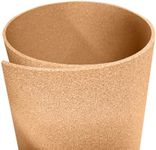
Material TypeAcoustic underlayments come in various materials, including foam, rubber, cork, and felt. Each material has different properties that affect sound insulation and durability. Foam and rubber are often used for their excellent sound absorption and resilience, while cork and felt are eco-friendly options that also provide good insulation. Consider the type of flooring you have and the specific needs of your space when choosing the material. For example, rubber may be ideal for high-traffic areas, while cork might be better for a quieter, more natural feel.
ThicknessThe thickness of an acoustic underlayment can impact its effectiveness in sound insulation. Thicker underlayments generally provide better noise reduction but may also affect the height of your flooring. Thickness typically ranges from 2mm to 10mm. If you need substantial noise reduction, opt for a thicker underlayment. However, if maintaining the original floor height is important, you might prefer a thinner option that still offers adequate sound insulation.
DensityDensity refers to the weight and compactness of the underlayment material. Higher density materials usually offer better sound insulation and durability. Density is often measured in pounds per cubic foot (PCF). For areas with heavy foot traffic or where maximum noise reduction is needed, choose a higher density underlayment. For less demanding applications, a lower density may be sufficient and more cost-effective.
Moisture ResistanceMoisture resistance is important for preventing mold and mildew growth, especially in areas prone to dampness like basements or bathrooms. Some underlayments have built-in moisture barriers or are made from materials that resist water absorption. If you are installing flooring in a moisture-prone area, ensure the underlayment has good moisture resistance to protect both the underlayment and the flooring above it.