Best 65 Inch TV Measurements
From leading brands and best sellers available on the web.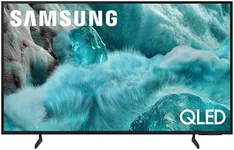
Samsung
Samsung 65-Inch Class QLED Q8F 4K UHD Smart TV (2025 Model) Q4 AI Processor, 100% Color Volume with Quantum Dot, AirSlim Design, Endless Free Content, Samsung Vision AI, Alexa Built-in
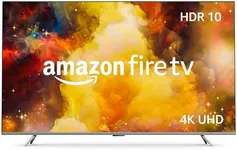
Amazon
Amazon Fire TV 65" Omni Series, 4K UHD smart TV with Dolby Vision, hands-free with Alexa
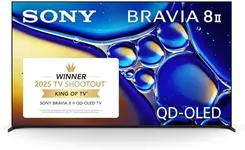
Sony
Sony BRAVIA 8 II 65 Inch TV, QD OLED, 4K Smart Google TV, XR Processor with AI Technology, Ultra Slim Design, 120hz Television, Dolby Vision/Atmos, Exclusive Features for PS5, K-65XR80M2, 2025 Model
Sony
6%OFF
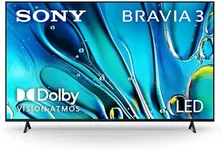
Sony 65-Inch Class 4K Ultra HD BRAVIA 3 LED Smart TV with Google TV Dolby Vision HDR, PS5 Exclusive Features, K-65S30
Related Products
Up to 8% off


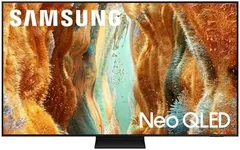
Samsung
Samsung 65-Inch Class Neo QLED QN70F 4K Mini LED Smart TV (2025 Model) NQ4 AI Gen2 Processor, Quantum Matrix Technology Slim, Motion Xcelerator 144Hz, Samsung Vision AI, Alexa Built-in

Samsung
SAMSUNG 65-Inch Class QLED 4K LS03D The Frame Series Quantum HDR Smart TV w/Dolby Atmos, Art Mode, Anti-Reflection, Customizable Frame, Slim Fit Wall Mount with Alexa Built-in (QN65LS03D, 2024 Model)
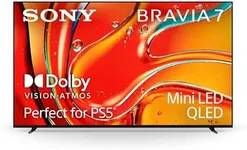
Sony
Sony 65 Inch Mini LED QLED 4K Ultra HD TV BRAVIA 7 Smart Google TV with Dolby Vision HDR and Exclusive Features for PlayStation®5 (K-65XR70)
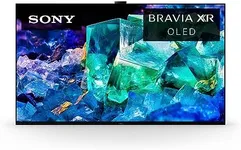
Sony
Sony 65 Inch 4K Ultra HD TV A95K Series: BRAVIA XR QD-OLED Smart Google TV with Dolby Vision HDR, Exclusive Features for Playstation 5 Black (2022)
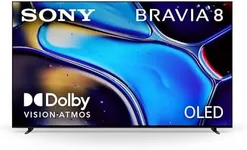
Sony
Sony 65 Inch OLED 4K Ultra HD TV BRAVIA 8 Smart Google TV with Dolby Vision HDR and Exclusive Features for PlayStation 5 (K-65XR80)
Our technology thoroughly searches through the online shopping world, reviewing hundreds of sites. We then process and analyze this information, updating in real-time to bring you the latest top-rated products. This way, you always get the best and most current options available.

Most Popular Categories Right Now


